Saturday — May 30, 2026
Automatisiert mit einem lokalen KI-Modell erstellt, ohne redaktionelle Prüfung vor Veröffentlichung.
Agent Migration Planner
You are a senior AI architect. Given a list of my current SDK dependencies and agent workflows, identify which ones rely on Stainless-generated SDKs and recommend specific alternative SDK generation tools or migration paths. Output a prioritized migration plan with timelines and risk assessments.
Claude Opus 4.8 Drops Dynamic Agent Workflows
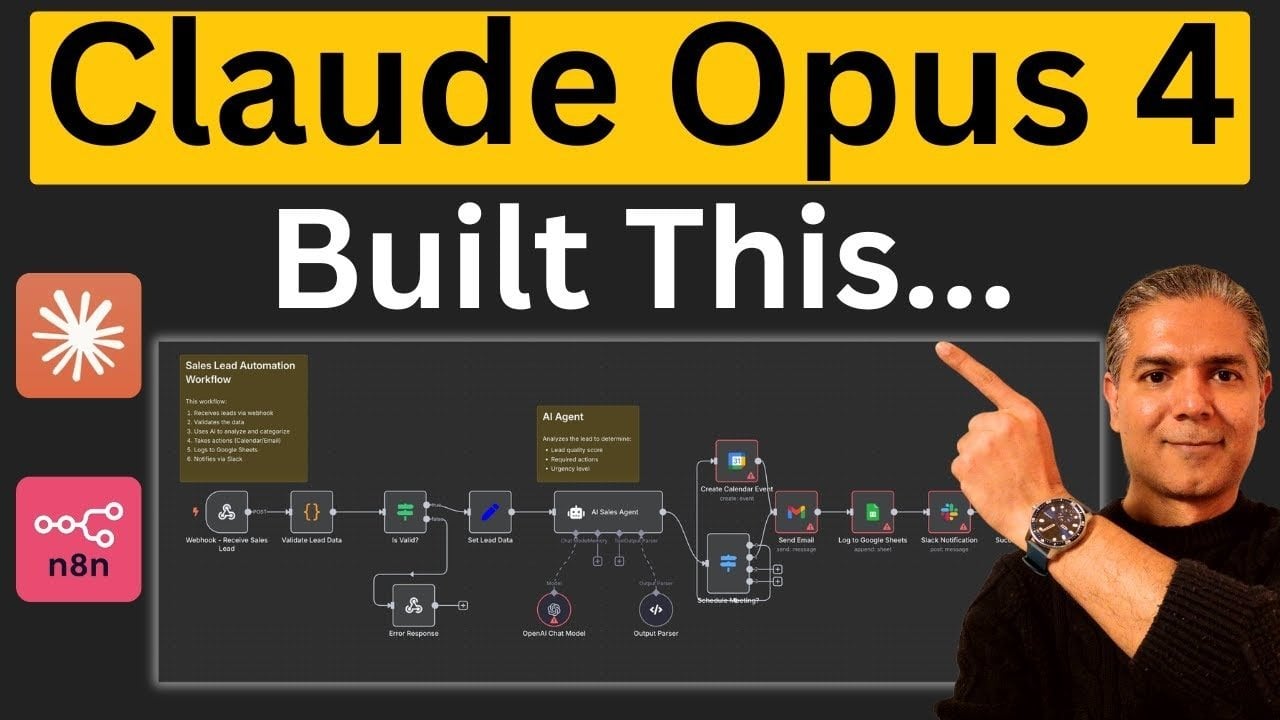
Anthropic's Opus 4.8 launch isn't just another model update -- it's a fundamental shift in how agentic systems can be architected. The headline feature, Dynamic Workflows in Claude Code, allows the model to spawn hundreds of parallel subagents, each handling a piece of a larger coding task, then self-verify the combined output. For developers, this means you can task Claude with something like 'migrate our entire authentication system from OAuth 2.0 to OIDC' and the model will decompose the work, assign subagents to refactor specific modules, run tests in parallel, and validate the integration -- all autonomously. The pricing remains the same as Opus 4.5, which is aggressive given the capability jump. Additionally, Claude is now available on AWS, Google Cloud, and Microsoft Azure, making it a first-class citizen across all major enterprise clouds. For teams already using Claude Code, this update rolls out automatically. For new adopters, the barrier to entry is lower than ever. The implication is clear: if you're not experimenting with multi-agent architectures on Opus 4.8, you're leaving productivity on the table. Start by identifying one large-scale refactoring project and let Dynamic Workflows handle the decomposition. Monitor the self-verification logs to understand how the model prioritizes sub-tasks -- that insight will inform how you design future agentic systems.
Meine Einschätzung: This is the first time a frontier model can reliably manage a swarm of subagents on its own. If you build complex code migrations or multi-step agent pipelines, this changes the game.
Microsoft Copilot Becomes a Unified Workspace
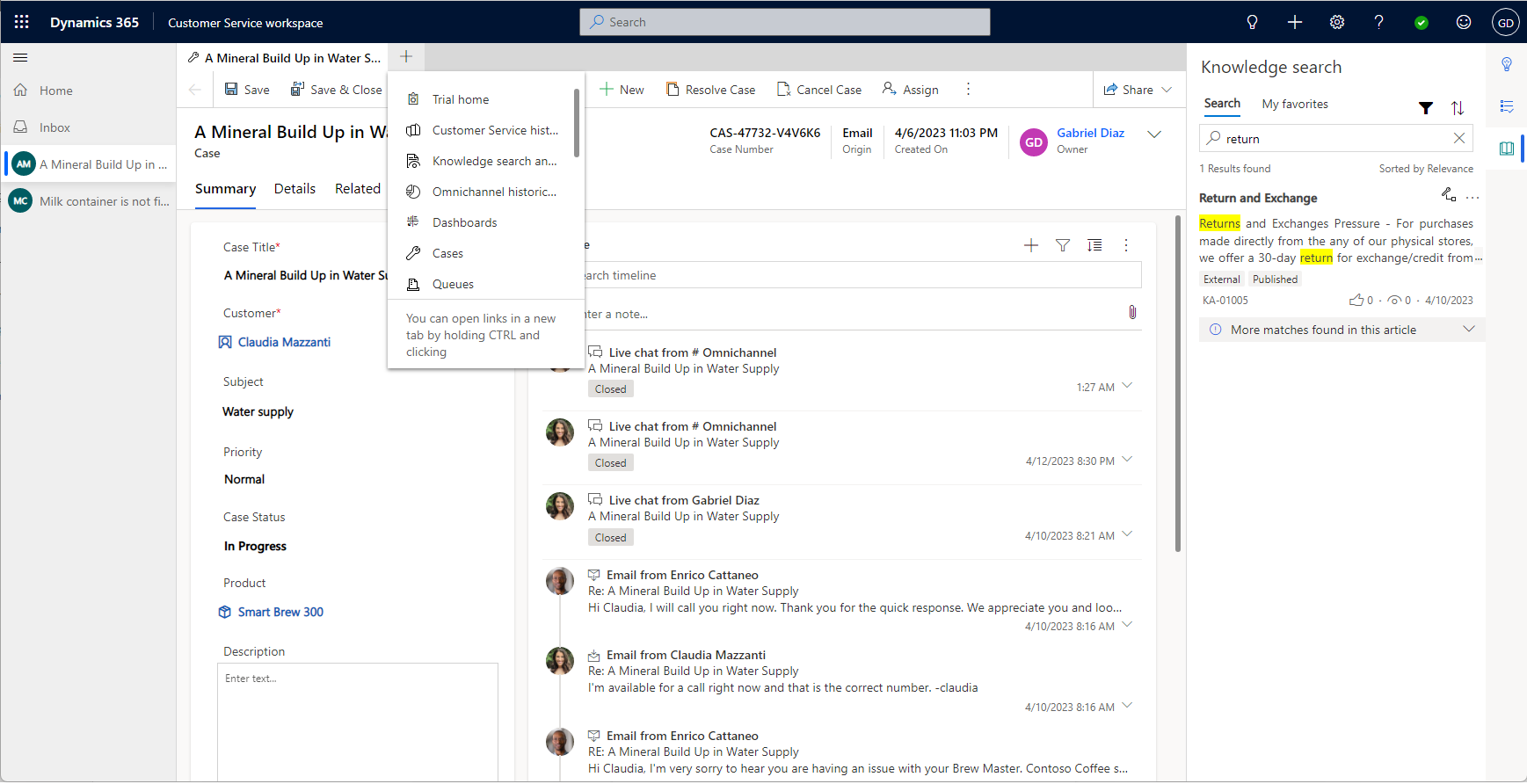
Microsoft's Copilot redesign is a strategic pivot from a chatbot overlay to a deeply embedded workspace. The new Copilot appears as a persistent sidebar that understands which app you're in, what document you're working on, and what you've done recently. When you open an Excel sheet with quarterly sales data, Copilot surfaces prompts like 'Create a pivot table by region' or 'Forecast next quarter using historical trends.' In Word, it might suggest 'Summarize this report into an executive brief' or 'Rewrite this section for a technical audience.' The task-aware workspace goes further: you can define a goal -- say, 'Prepare a board presentation on Q2 results' -- and Copilot will orchestrate across PowerPoint, Excel, and Word, pulling data, generating slides, and drafting speaker notes. For developers, this means M365 becomes a platform for building custom AI workflows without leaving the productivity suite. The redesign also improves context retention, so Copilot remembers earlier requests within a session. This is a direct challenge to standalone AI assistants like ChatGPT and Claude, but with the advantage of native access to your enterprise data. For teams already on M365, the recommendation is to enable the new Copilot and create a 'goal library' of common tasks your team repeats -- quarterly reports, project updates, client proposals -- and let Copilot build the templates. The deeper the integration, the more value you'll extract.
Meine Einschätzung: This is Microsoft finally treating Copilot as a platform, not a feature. The task-aware workspace is the killer app -- it turns every document into a potential AI command center.
Meta Launches Enterprise AI Division and Paid Tiers
Meta's move to create an Enterprise Solutions division marks a significant shift for a company historically focused on consumer advertising. The new division will embed Meta engineers and product managers directly into large corporations to help them adopt Meta's AI tools -- think Llama models, AI-powered ad creation, and automated customer service agents. This is a direct play for the enterprise AI market that Microsoft, Google, and Amazon have dominated. Separately, Meta is rolling out paid subscription tiers with exclusive AI features across Facebook, Instagram, and WhatsApp. While details are sparse, early reports suggest features like advanced image generation, priority access to Meta's newest models, and enhanced AI assistants. For consumers, this means the free tier will remain functional but limited, while power users pay for speed and capability. For builders, the enterprise division is the more interesting development: it signals that Meta is serious about becoming a platform for custom AI solutions, not just a model provider. If you're building enterprise AI applications, consider whether Meta's embedded engineer model could accelerate your deployment. The paid tiers also validate a monetization path for consumer AI that other social platforms may follow. Watch for pricing details -- if Meta undercuts competitors, it could trigger a price war in consumer AI subscriptions.
Meine Einschätzung: Meta is finally treating AI as a revenue center, not just a cost center. The enterprise division is smart, but the paid tiers will test whether consumers pay for Meta's AI features.
Palo Alto Networks Acquires Portkey for Agent Security
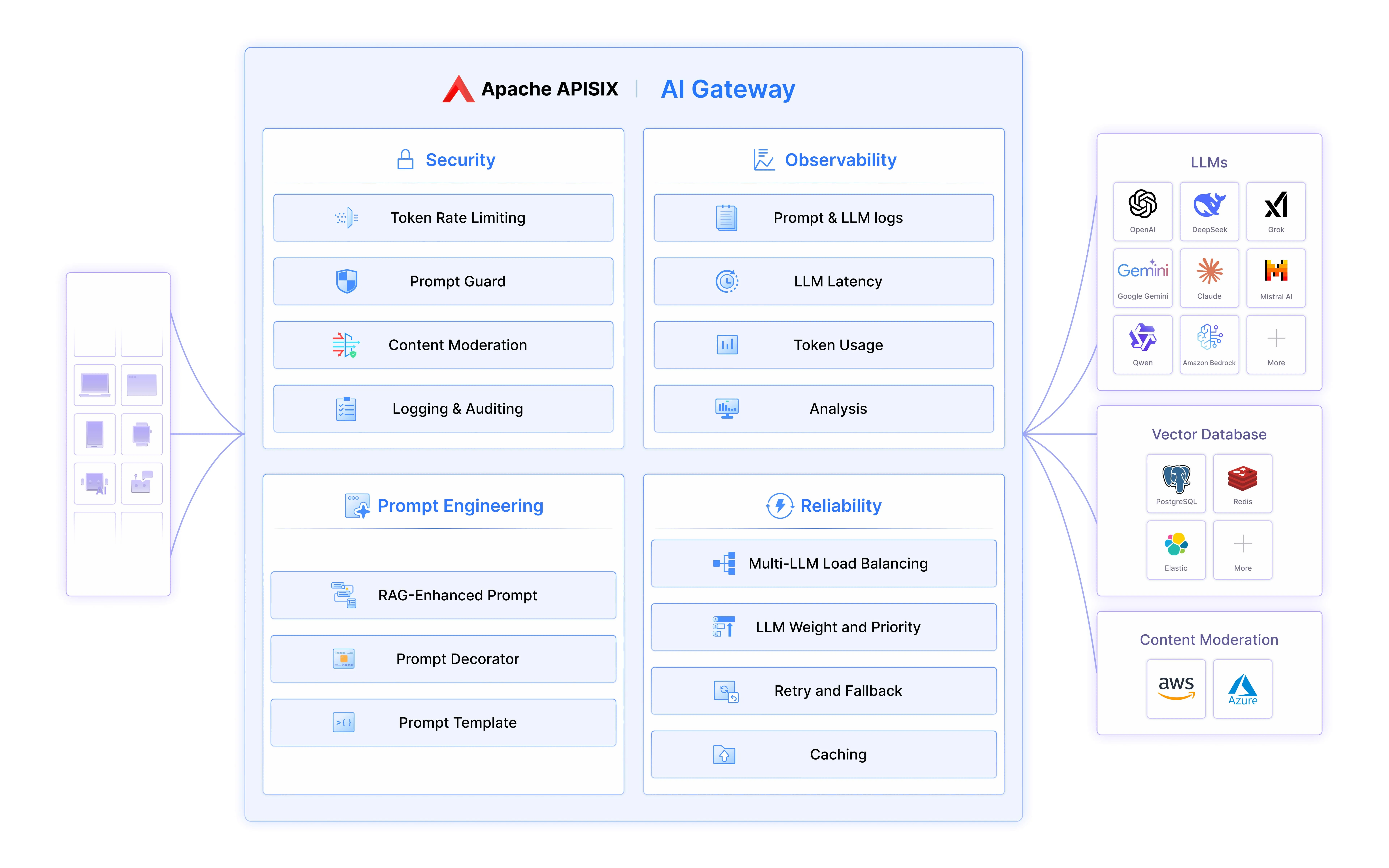
Palo Alto Networks' acquisition of Portkey signals that AI agent security is moving from niche concern to mainstream enterprise requirement. Portkey's AI Gateway provides a centralized control plane for monitoring API calls, enforcing rate limits, detecting anomalous behavior, and governing what agents can access. By integrating this into Prisma AIRS, Palo Alto is creating a security suite specifically for autonomous agents -- a market that barely existed a year ago. For builders, this has immediate implications. If you're deploying agents that interact with external APIs, databases, or user data, you need a gateway that can log every action, enforce least-privilege access, and alert on suspicious patterns. The acquisition validates that enterprises are worried about agents taking unauthorized actions, leaking data, or being manipulated. The practical takeaway is to start evaluating agent security frameworks now. Open-source options like LangSmith or Helicone offer basic monitoring, but enterprise-grade solutions like Prisma AIRS will become table stakes as agent deployments scale. If you're building for regulated industries -- finance, healthcare, legal -- this is non-negotiable. Expect more security vendors to follow Palo Alto's lead with agent-specific offerings in the next 6 months.
Meine Einschätzung: Agent security just became an enterprise priority overnight. If you're deploying AI agents in production, this acquisition is your wake-up call to implement governance frameworks.
Anthropic Acquires Stainless, Shuts Down SDK Services
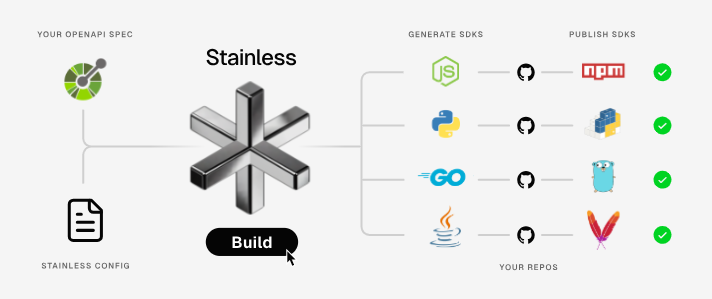
Anthropic's acquisition of Stainless is a strategic move that consolidates control over SDK generation in the AI ecosystem. Stainless was a critical but under-the-radar company that generated high-quality SDKs for dozens of AI providers, including OpenAI, Google, and Mistral. By acquiring and shutting down Stainless's hosted services, Anthropic creates a forced migration for developers who depend on those SDKs. The September 1 deadline is tight for teams with complex integrations. The implication is clear: Anthropic is willing to burn bridges to gain leverage. Developers should immediately identify any Stainless-generated SDKs in their stack and plan migration to alternatives like OpenAPI Generator, Fern, or manually maintained SDKs. This also raises questions about Anthropic's long-term platform strategy -- are they building a walled garden? For now, the practical response is to audit dependencies and prioritize migration. If you're using Stainless SDKs for Anthropic's own APIs, you're likely fine, but for other providers, you'll need a plan. This move also signals that SDK generation is becoming a competitive battleground, so expect more consolidation or proprietary solutions from major AI companies.
Meine Einschätzung: This is a power play. Anthropic just bought a key piece of AI infrastructure and is shutting it down, forcing developers to switch -- likely to Anthropic-friendly alternatives.
Deep Dive
Building Multi-Agent Workflows with Claude Opus 4.8 Dynamic Workflows
Claude Opus 4.8's Dynamic Workflows feature is the most significant agentic capability released this year, but most developers don't know how to use it effectively. This section will give you a practical framework for leveraging parallel subagents and self-verification in your own projects. The core idea is that instead of giving a single AI agent a monolithic task, you let Opus 4.8 decompose the task, spawn subagents for each piece, and then synthesize the results. This mirrors how human engineering teams work -- break down a large problem, assign specialists, review the output -- but at machine speed.
To get started, identify a task that has clear, independent subcomponents. A good candidate is migrating a codebase from one framework to another. For example, if you're moving a Node.js Express app to Fastify, the sub-tasks might include: rewriting route handlers, updating middleware, changing error handling, updating tests, and modifying configuration files. Each of these can be handled by a separate subagent operating on a specific subset of files. In Claude Code, you would describe the overall goal and let Dynamic Workflows handle the assignment. The model will automatically determine which subagents need to run, in what order, and how to merge the results.
A critical feature is self-verification. After subagents complete their work, Opus 4.8 runs a verification pass where it checks for consistency, syntax errors, and logical gaps. It can even run unit tests to validate changes. If verification fails, the model can spawn corrective subagents to fix issues before presenting the final result. This reduces the need for manual code review on routine migrations, though you should still review critical logic changes. For maximum effectiveness, provide clear constraints upfront: coding standards, test coverage requirements, and any non-negotiable architectural decisions.
Practical tips: start with a small, well-scoped task to understand how the model decomposes work. Monitor the logs to see how it prioritizes sub-tasks -- this will help you craft better prompts. Use the 'verbose' mode to see subagent assignments and verification results. For complex projects, break the work into phases and run each phase as a separate Dynamic Workflow to maintain control. Finally, always have a rollback plan -- version control is your friend. The sweet spot for Dynamic Workflows is tasks that would take a human developer 2-5 days to complete. Anything smaller is overkill; anything larger should be phased.
In the coming weeks, expect Anthropic to release best practices and possibly templates for common use cases. But you don't need to wait. Pick a real project, set up Claude Code with Opus 4.8, and run your first Dynamic Workflow today. The learning curve is shallow, and the productivity gains are immediate. This is the closest we've come to having an AI that can act like a junior engineering team, not just a single engineer.
Dynamic workflows aren't the future -- they're the Saturday morning release. Build with them now or rebuild later.