Monday — June 01, 2026
Automatisiert mit einem lokalen KI-Modell erstellt, ohne redaktionelle Prüfung vor Veröffentlichung.
Multi-Agent Workflow Builder
You are a senior AI architect. Given a plain-language task description, generate a dynamic orchestration script that launches parallel subagents with independent context windows, validates intermediate results, and compiles a final verified response. Focus on minimizing token waste and maximizing accuracy.
Claude Opus 4.8 Ships Dynamic Multi-Agent Workflows
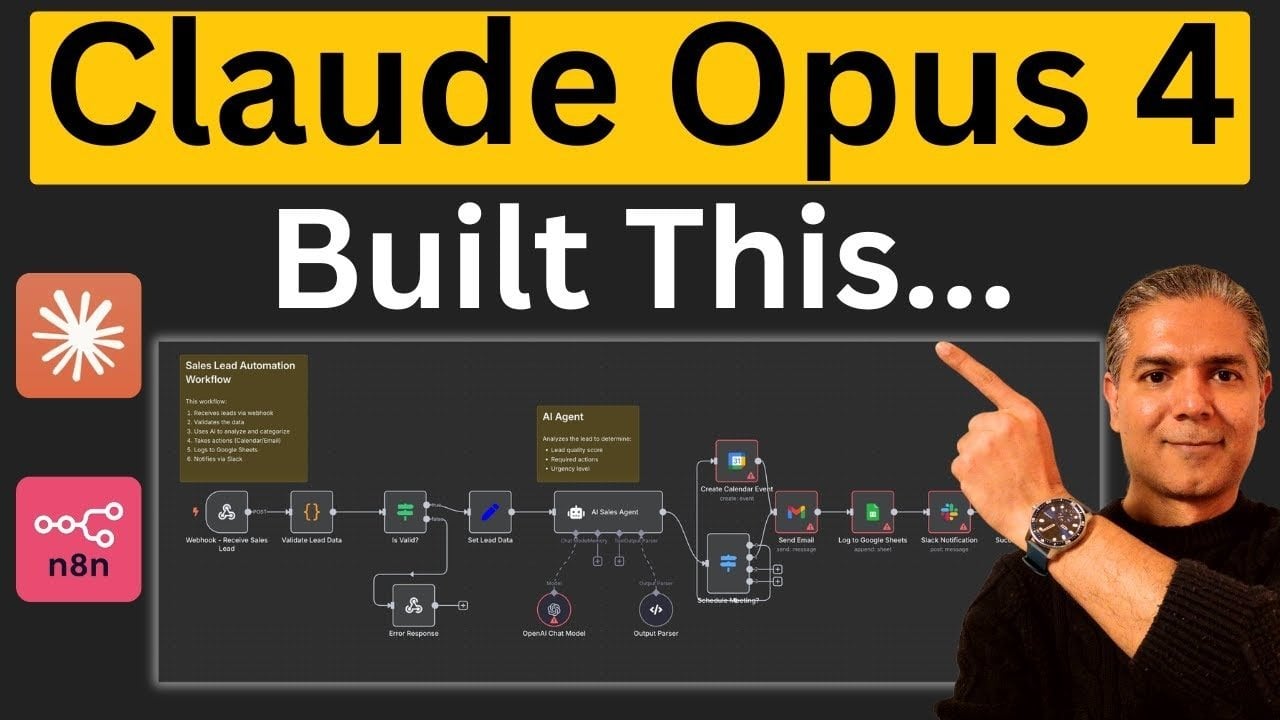
Anthropic's Claude Opus 4.8 launch is a watershed moment for agentic AI. The headline feature, Dynamic Workflows, is a research preview that lets Claude autonomously decompose a plain-language request into subtasks, write orchestration scripts, spawn parallel subagents each with their own context window, and verify results before presenting a final answer. This is not just a prompt engineering trick — it's baked into the model's inference loop. For developers, this means you can describe a complex process like 'analyze Q2 financials, compare with competitors, and draft a board summary' and Claude handles the parallelization and verification internally. The fast mode option (2.5x speed at 2x token cost) makes it practical for production use. Early benchmarks suggest significant improvements in multi-step reasoning tasks, though Anthropic is clear this is a research preview. For teams already on Max or Enterprise tiers, this is an immediate upgrade. For others, the pricing implications are worth watching — dynamic workflows could consume tokens faster than linear prompting, especially if subagents run deep chains.
Meine Einschätzung: This is the first time a major model ships native multi-agent orchestration as a core feature, not a third-party add-on. If it works as advertised, it changes how we think about AI task decomposition.
GitHub Copilot Moves to Per-Token Billing
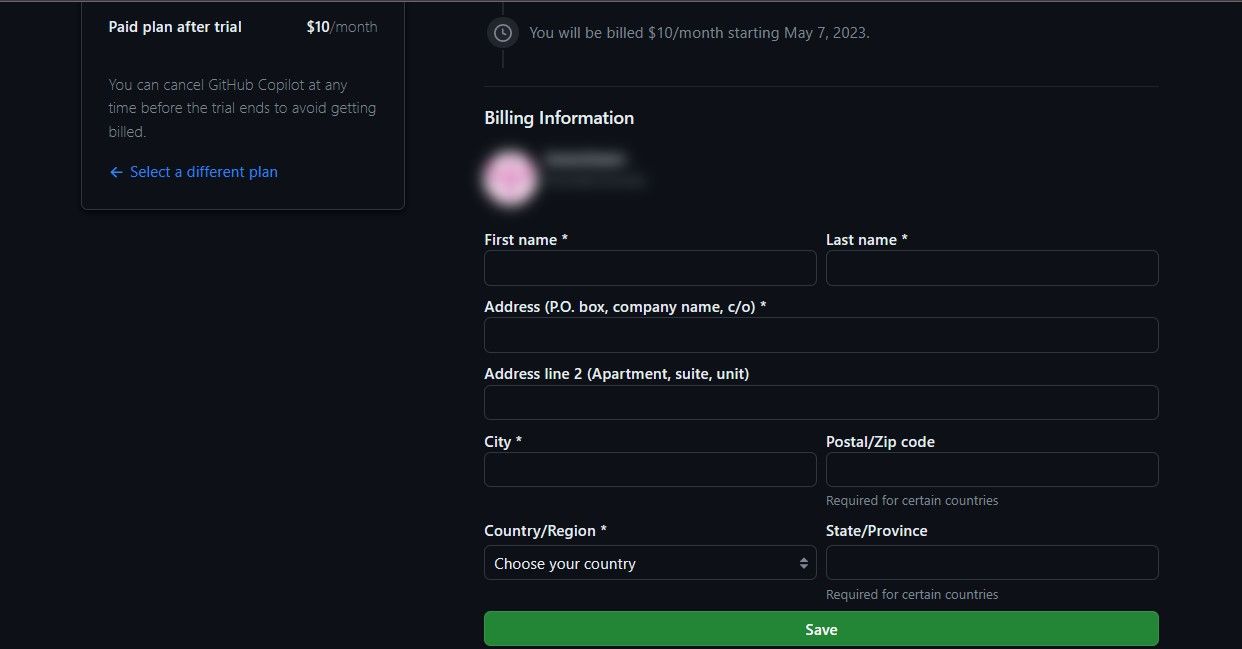
GitHub's move to per-token billing for Copilot is the most significant pricing change in the AI coding assistant market since launch. Previously, developers paid a flat $10-20/month for unlimited usage. Now, every token generated or consumed counts against your account. For context, a typical code completion might cost fractions of a cent, but heavy users generating thousands of lines daily could see costs multiply. GitHub is betting that the integration of Claude Opus 4.8 and GPT-5.5 Instant into Microsoft 365 Copilot justifies the premium — these models offer better reasoning and code generation, but at higher per-token costs. The deprecation of GPT-4.1 and the mandatory shift to GPT-5.3 Codeex for Copilot Business (guaranteed through early 2027) further locks users into the new pricing model. For individual developers, the immediate action is to install a token tracking extension and review your monthly consumption. For teams, this may accelerate the shift to local models or self-hosted alternatives. The broader implication: the era of all-you-can-eat AI is ending. Expect more providers to follow suit as inference costs remain volatile.
Meine Einschätzung: This is a massive cost shift for heavy users. If you're a solo dev or small team relying on Copilot for daily coding, your bill just became unpredictable. Time to audit your usage patterns.
SoftBank Invests $87B in French AI Data Centers
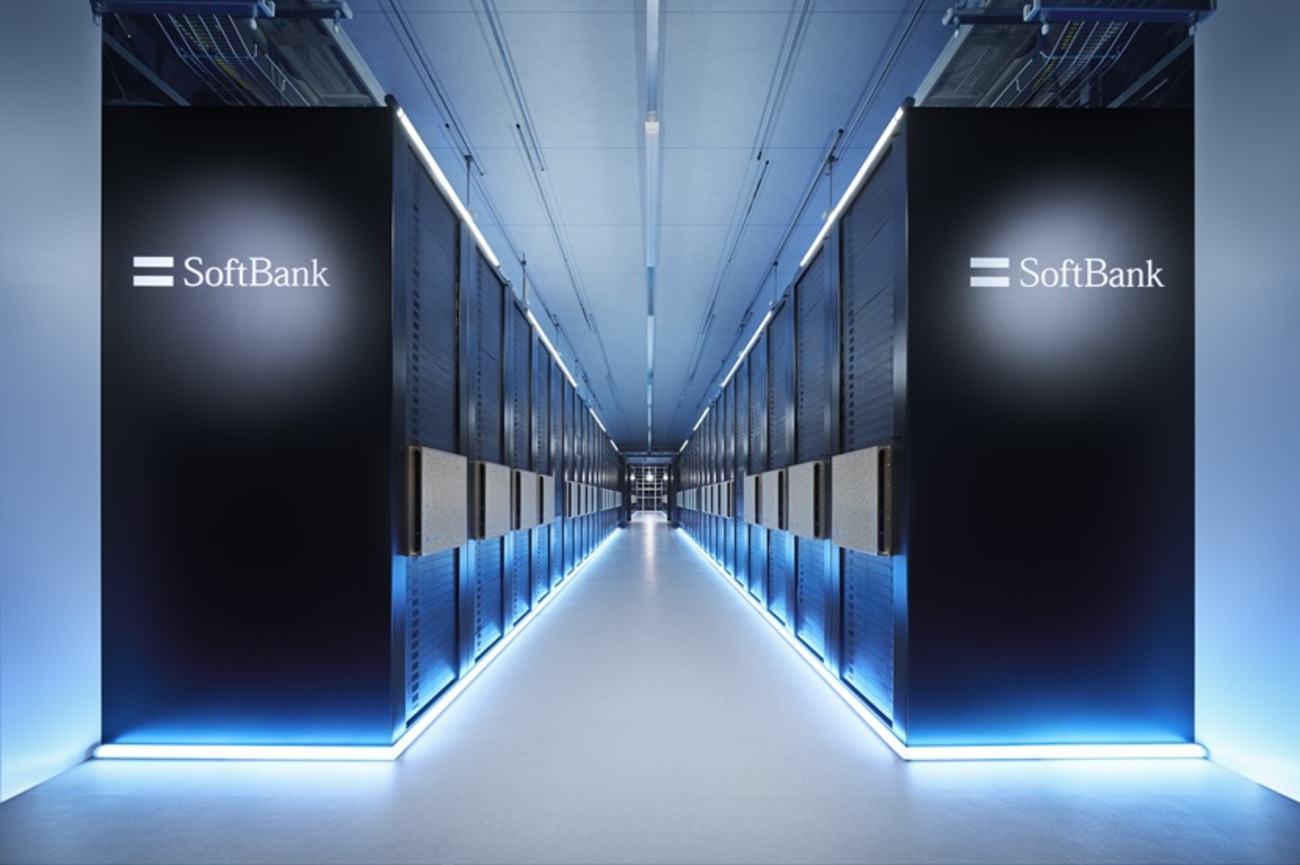
SoftBank's $87 billion investment in French AI data centers is a bet that Europe will be a major AI compute hub. The initial phase targets 3.1 GW of capacity by 2031 across three sites, with a long-term goal of 5 GW. This is not just about building server farms — it's about energy infrastructure, cooling innovation, and localized AI services that comply with EU data sovereignty rules. For context, 5 GW is roughly the output of five nuclear reactors, meaning this investment will strain France's energy grid and accelerate the need for renewable and nuclear power partnerships. SoftBank is positioning this as a response to the EU AI Act's transparency requirements, offering compliant compute within European borders. For businesses, this signals that AI inference and training will increasingly be regionalized. If you're building AI products for the European market, expect lower latency and better compliance by hosting on these future facilities. The timeline (2031 for initial capacity) means planning starts now — contracts for energy, cooling, and construction will be awarded in the next 12-18 months.
Meine Einschätzung: This is the largest single AI infrastructure commitment in Europe. If you're in data center construction, energy, or cloud services, this is your market for the next decade.
iOS 27 Leaks Show Generative AI Features
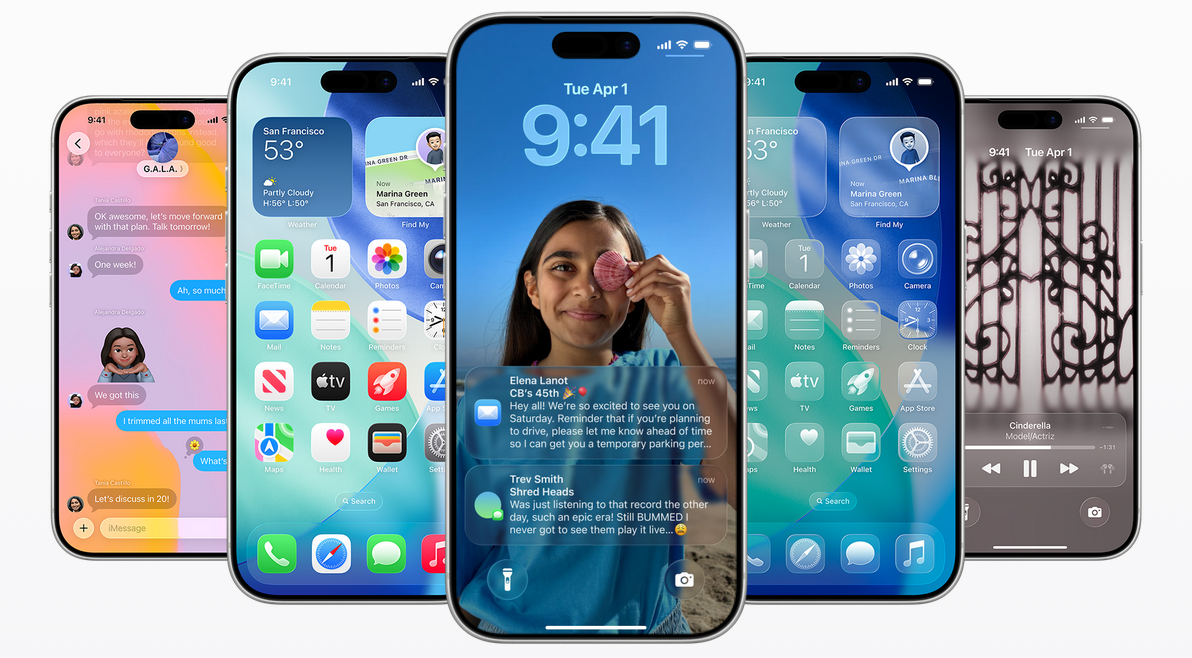
The iOS 27 leaks reveal Apple's strategy: own the AI interface, not the AI models. The dedicated Siri app with chatbot logic and conversation history suggests Apple is building a unified AI assistant that can switch between its own models and third-party services via Extensions. The Photos features (Reframe for perspective shifting, Extend for image widening) are classic Apple — polished, user-facing AI that just works. But the Extensions feature is the strategic play. By allowing users to route search queries to Google Gemini or Anthropic Claude, Apple avoids the cost of building frontier models while offering best-in-class AI. This mirrors the App Store model: Apple controls distribution and takes a cut. For developers, this means iOS 27 will likely include an Extensions API, allowing third-party AI services to plug into Siri. The challenge is privacy — Apple will need to convince users that routing queries to external services doesn't compromise their data. The Siri app with chatbot logic suggests Apple is gunning for the ChatGPT user base, but with a privacy-first angle. Expect a fall 2026 release alongside new iPhone hardware.
Meine Einschätzung: Apple is finally going all-in on generative AI, but the Extensions feature is the real story — it turns iOS into a platform for competing AI services, not just Apple's own models.
EU AI Act Transparency Rules Enforceable August 2
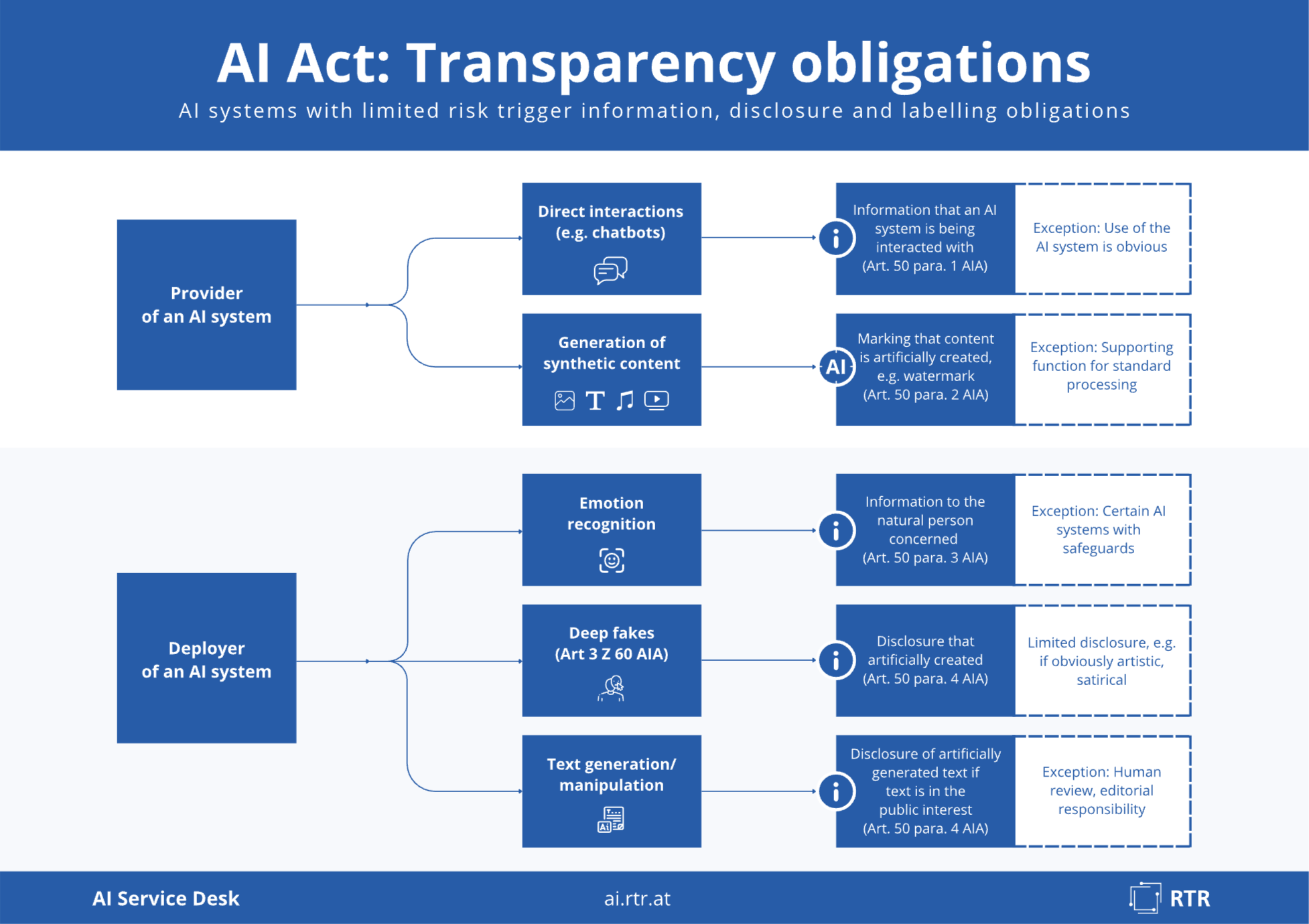
The EU AI Act's transparency rules are the first major regulatory hammer to fall on AI companies. From August 2, 2026, any AI system deployed in the EU must disclose that users are interacting with AI, provide model documentation, and enable opt-out mechanisms for training data use. High-risk systems (e.g., hiring, credit scoring, law enforcement) have until December 2027 and August 2028 for full compliance, but transparency is immediate. The White House's concurrent legislative framework to Congress suggests the US is moving toward similar rules, while Colorado and Connecticut have already introduced state-level AI laws. For builders, the immediate action is to audit your AI systems for EU user exposure. If you serve European customers, you need: (1) clear labeling of AI-generated content, (2) a publicly available model card or system documentation, (3) a mechanism for users to request removal from training data, and (4) a risk assessment for high-risk use cases. The penalty structure is severe — up to 7% of global annual turnover or 35 million euros, whichever is higher. This is not optional compliance; it's existential for companies with EU revenue. Start with a transparency audit this week.
Meine Einschätzung: August 2 is a hard deadline. If your AI system touches EU users, you need transparency documentation ready in 60 days. No extensions, no grace period.
Deep Dive
How to Design a Dynamic Multi-Agent Workflow with Claude Opus 4.8
With Claude Opus 4.8's Dynamic Workflows, the barrier to multi-agent orchestration just dropped. Previously, you needed frameworks like LangChain, CrewAI, or AutoGen to chain agents together. Now, you can describe the workflow in plain language and Claude handles the orchestration internally. But to get the most out of it, you need to design your prompts for decomposability. Start by clearly defining the end goal and the verification criteria. For example, instead of 'analyze this data,' say 'analyze this data, generate three independent hypotheses, cross-reference each against the source, and return only the verified findings.' This tells Claude how to parallelize and verify. Next, leverage the independent context windows. Each subagent in a Dynamic Workflow gets its own context, meaning you can feed large documents to different subagents without hitting the main context limit. If you're analyzing a 500-page report, split it into sections and let each subagent process a chunk. The orchestration script Claude writes will handle merging. Third, use the verification step explicitly. In your prompt, specify what verification looks like: 'check for contradictions, validate against known facts, flag uncertainty above 20%.' This forces Claude to run a verification subagent that cross-checks results. Finally, monitor token consumption. Dynamic Workflows can burn tokens fast because each subagent runs its own chain of thought. Set a budget in your prompt: 'limit total tokens to 50,000 for this workflow.' This keeps costs predictable. The fast mode (2.5x speed, 2x token rate) is best for time-sensitive tasks where accuracy can tolerate slight degradation. For critical work, stick with standard mode and let the verification step run fully. Start with a simple two-agent workflow this week: one agent to gather data, one to verify. Then scale up.
If you're not building with agents yet, June 2026 is the month you start — the tools are ready, the models are capable, and the regulations are coming.