Wednesday — June 03, 2026
Automatisiert mit einem lokalen KI-Modell erstellt, ohne redaktionelle Prüfung vor Veröffentlichung.
IPO Strategy Memo
You are a Wall Street analyst covering AI companies. Draft a 3-paragraph memo comparing Anthropic and OpenAI's IPO strategies. Focus on revenue drivers (Claude Code vs. ChatGPT Enterprise), valuation risks, and market timing. End with a clear recommendation on which IPO to overweight.
Trump AI Executive Order Splits Industry
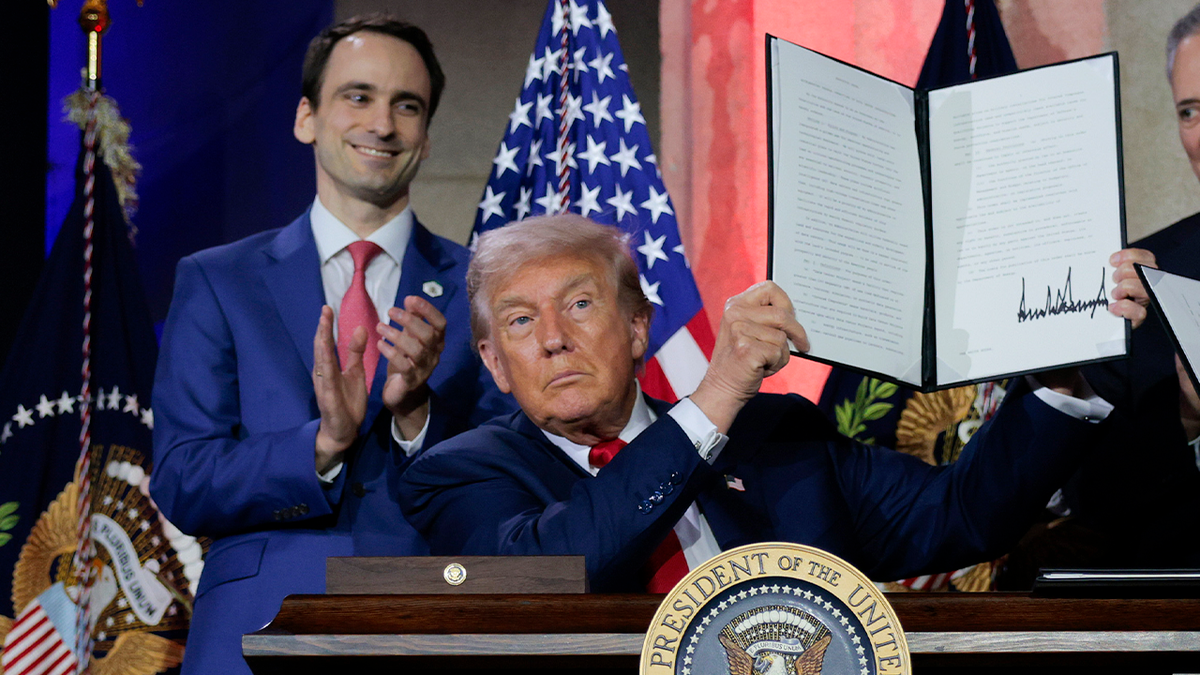
The AI industry is waking up to a new regulatory reality. President Trump's executive order, signed yesterday, introduces three major pillars: a 30-day voluntary model sharing window with the government before public release, a centralized AI cybersecurity clearinghouse, and prioritized enforcement against criminal AI use. Tech leaders are publicly divided. OpenAI's Sam Altman praised the cybersecurity focus as 'necessary infrastructure,' while Anthropic's Dario Amodei warned that 'voluntary sharing without clear guardrails is a slippery slope to mandatory pre-approval.' The stock market had no such ambivalence—AI-heavy indices jumped 3% on the news, with analysts citing 'regulatory clarity' as the primary catalyst. For founders and product leaders, the immediate implication is operational: you now need a compliance workflow for model releases, including a 30-day government review buffer. The cybersecurity clearinghouse is less controversial—it centralizes vulnerability reporting, which the industry has been requesting. The real tension is enforcement. The order directs DOJ to prioritize AI-related crimes, from deepfake fraud to automated disinformation. This could mean faster prosecutions but also more aggressive interpretations of existing laws. The bottom line: if you're building AI products, get legal counsel familiar with federal AI policy. The era of self-regulation is over.
Meine Einschätzung: The market loves certainty more than freedom. This is a power grab dressed as cooperation, and we all know where voluntary compliance leads.
Anthropic IPO Hits $965B Valuation
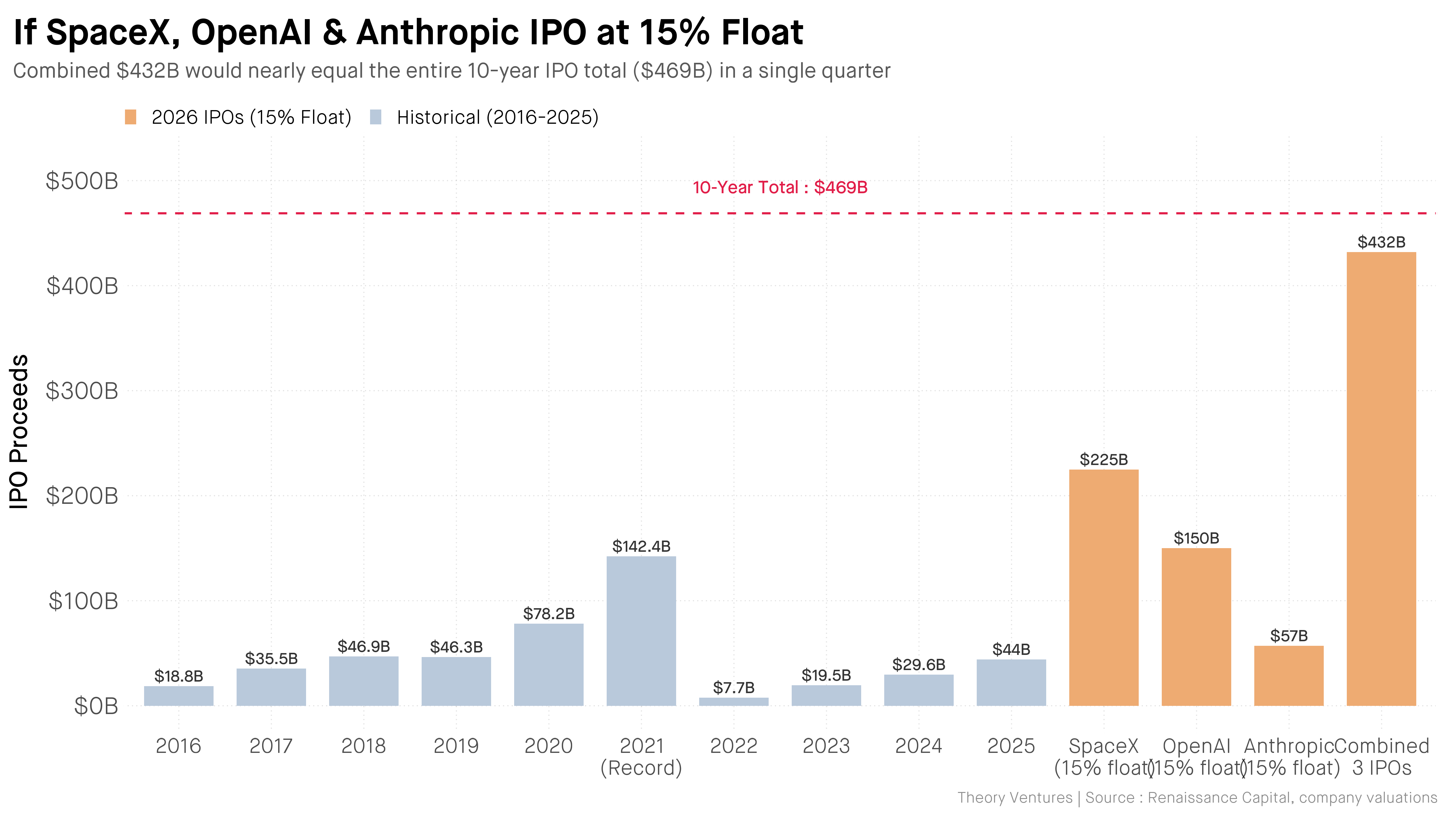
Wall Street is recalibrating after Anthropic's confidential S-1 filing on June 1 revealed staggering numbers: a $965 billion valuation and a $47 billion revenue run rate, up from $10 billion just last year. The growth engine is Claude Code, the company's AI coding assistant, which has seen enterprise adoption explode. Major banks, insurance companies, and SaaS platforms are now running production code generated by Claude. This positions Anthropic as the frontrunner in the AI IPO race, but OpenAI is expected to file its own S-1 within weeks, setting up what analysts are calling 'the most consequential dual-IPO in tech history.' The valuation math is aggressive. At $965 billion, Anthropic trades at over 20x revenue—steep even by AI standards. But the growth trajectory is undeniable: tripling revenue in one year while maintaining 70% gross margins. For investors, the key question is sustainability. Claude Code's enterprise stickiness is high—once a company integrates it into their CI/CD pipeline, switching costs are significant. OpenAI's counterplay is ChatGPT Enterprise, which has broader use cases but lower per-seat revenue. The IPO timing is strategic. Both companies want to go public before regulatory frameworks tighten further. The Trump executive order adds urgency—going public means more disclosure, but also more credibility with institutional investors. For founders watching this, the lesson is clear: vertical enterprise adoption beats horizontal consumer hype when it comes to IPO valuation.
Meine Einschätzung: Claude Code is the real story here—enterprise developers are paying for results, not hype. OpenAI's consumer brand is flashier, but Anthropic has the revenue moat.
DuckDuckGo No AI Search Surges 3x
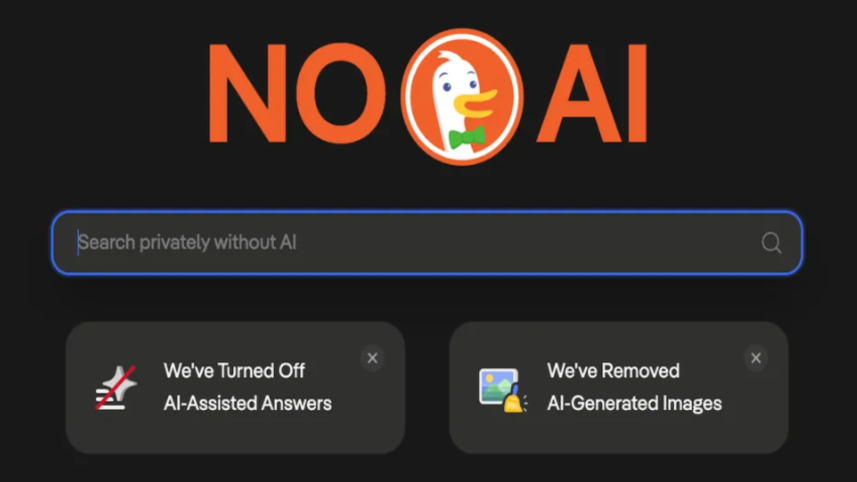
DuckDuckGo's bet against the AI search trend is paying off. The privacy-focused search engine launched its 'No AI Search' feature in May, which strips out all AI-generated summaries, chat interfaces, and conversational results from search pages. The result: a 3x surge in installs in just one month. This is the first concrete data point showing that AI fatigue is not just Twitter noise—it's consumer behavior. The feature is simple: when enabled, search results are pure blue links, no AI-generated snippets, no 'let me explain this for you' summaries. Users are voting with their downloads. For Google and Bing, this is a warning signal. Both have invested billions in AI-powered search features, from Google's Search Generative Experience to Microsoft's Copilot in Bing. The assumption was that users wanted AI to do the thinking for them. DuckDuckGo's data suggests a significant minority—perhaps a majority in certain demographics—wants raw information, not interpretation. The implications for product leaders are clear: AI features need an off switch. Forcing AI on users who don't want it creates brand risk. DuckDuckGo's surge also suggests a business model opportunity: premium 'no AI' tiers. Users are willing to switch search engines for a simpler experience. If you're building consumer products, consider offering an 'AI-free' mode. It might be your fastest-growing feature.
Meine Einschätzung: The backlash is real. People don't want AI summarizing their recipes and news—they want links. DuckDuckGo just proved there's a massive market for 'dumb' search.
NVIDIA RTX Spark: Desktop Supercomputer
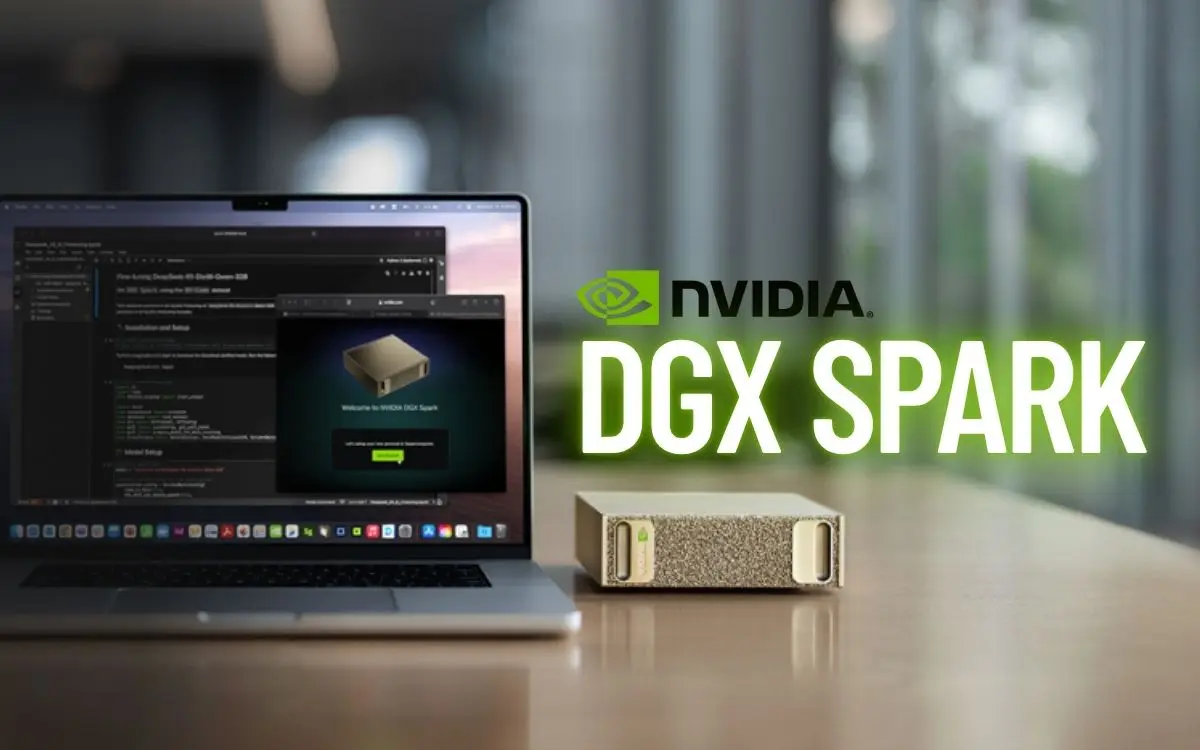
NVIDIA just changed the hardware game for AI with the RTX Spark superchip. This is not a GPU—it's a complete AI computing system on a chip, delivering 1 petaflop of AI performance with 128GB of unified memory, all in a desktop form factor. To put that in perspective: a petaflop is 1,000 trillion operations per second. Six months ago, that required a rack of servers. Now it fits under your desk. The implications are massive. First, local AI agents become practical. You can run a 70-billion-parameter model locally, with no cloud connection, no latency, no data privacy concerns. For enterprises in regulated industries—healthcare, finance, defense—this is transformative. Second, the cost structure flips. Instead of paying per-token cloud fees, you buy the hardware once and run inference for free. NVIDIA claims the RTX Spark is 4x cheaper than cloud-based inference over a three-year period. Third, it enables new use cases. Real-time video analysis, autonomous robotics control, and multi-agent systems can now run on a desktop. The RTX Spark is available pre-built in PCs from Dell, HP, and Lenovo starting at $3,499. For developers, this means you can now build and test AI agents locally without burning cloud credits. For IT leaders, it means rethinking the 'AI requires cloud' assumption. The era of personal AI computing has arrived.
Meine Einschätzung: This is the hardware that makes AI agents actually practical for the enterprise. No more cloud costs, no latency, no data leaving your building.
Deep Dive
How to Build an AI Product That Users Won't Turn Off
The DuckDuckGo No AI Search surge is a wake-up call. Users are actively rejecting AI features they didn't ask for. This isn't about AI being bad—it's about AI being forced. The lesson for product builders is simple: AI must be additive, not intrusive.
Start with the opt-in principle. DuckDuckGo's No AI Search is literally an opt-out, but the surge shows users want the opposite. Design your AI features so they're off by default. Let users discover them through context, not through pop-ups. The best AI features feel like magic, not interruption.
Second, measure engagement not just adoption. It's easy to show high adoption rates when you force a feature. But if users are turning it off, you have a product problem. DuckDuckGo's data suggests that AI summaries in search are reducing trust, not increasing it. Users want control over when and how AI assists them.
Third, build for the skeptical user. Assume your user doesn't trust AI. Design your UX to earn that trust. Show your work—let users see why the AI made a recommendation. Provide a 'show me the source' button. Transparency is the antidote to AI fatigue.
Finally, consider a 'classic mode' as a feature. DuckDuckGo proved that offering a non-AI version can be a growth driver. Your power users might prefer the old interface. Giving them that choice builds loyalty and reduces churn.
The takeaway: AI fatigue is real, but it's not an indictment of AI. It's an indictment of bad UX. Build features that respect user autonomy, and they'll invite AI in on their own terms.
Build what users want, not what AI can do. The market just voted with its downloads.