Friday — June 05, 2026
Automatisiert mit einem lokalen KI-Modell erstellt, ohne redaktionelle Prüfung vor Veröffentlichung.
Agentic Task Decomposer
You are an AI workflow architect. Given a complex multi-step business goal, break it into a sequence of autonomous sub-tasks that can be executed in parallel or sequentially by AI agents. For each sub-task, specify the required tool, data input, success criteria, and handoff condition. Output a JSON agent orchestration plan.
OpenAI GPT-5.6 previews agentic reasoning
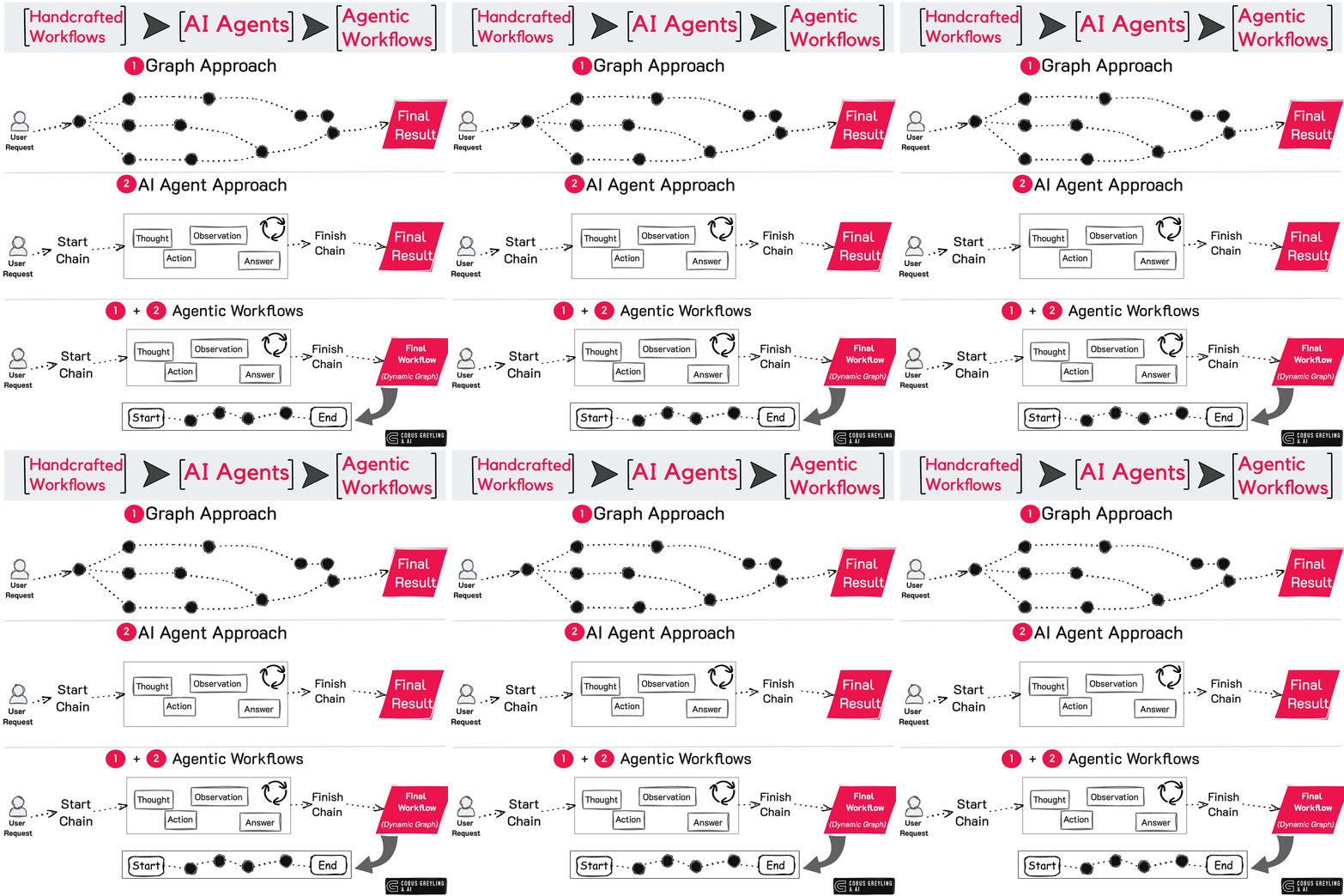
OpenAI's preview of GPT-5.6 marks a strategic pivot from general-purpose chat to agentic workflows. The model is explicitly optimized for reasoning through multi-step tasks — think booking a trip that involves flights, hotels, and calendar syncs — with minimal human hand-holding. This aligns with the broader industry move toward autonomous agents seen in Google's Antigravity and Anthropic's Mythos. The retirement of GPT-4.5 on June 27 means developers need to migrate their pipelines soon. For builders, this is a chance to re-architect applications around agentic loops rather than single-turn prompts. The key is to start defining task graphs and success criteria now, before the full release later this month.
Meine Einschätzung: This is OpenAI finally catching up to the agentic trend. If you haven't started building agent workflows yet, this is your wake-up call.
Google launches Gemini Spark and Antigravity 2.0
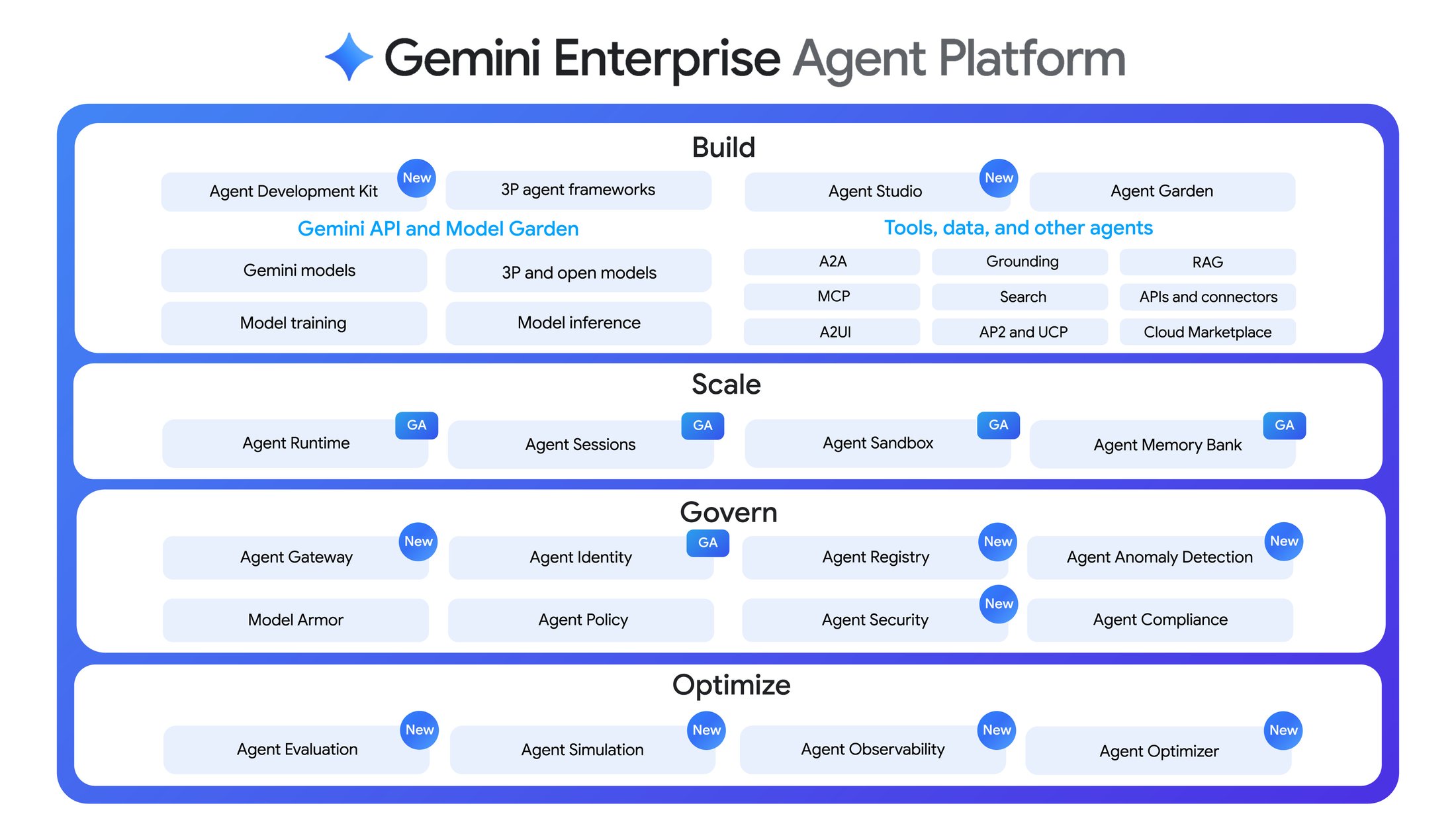
Google's dual launch addresses two sides of the agent coin: end-user autonomy and developer orchestration. Gemini Spark operates as a persistent workspace agent that can manage your calendar, emails, and tasks around the clock — think of it as a 24/7 executive assistant that doesn't sleep. For developers, Antigravity 2.0 is the more interesting release: it allows you to define a single prompt and have the system spin up parallel sub-agents to handle different parts of the task simultaneously. This mirrors the architecture of CrewAI and AutoGPT but is natively integrated with Google's infrastructure. The free tier for Gemini 3.5 Flash lowers the barrier for experimentation. If you're building multi-agent systems, Antigravity 2.0 should be on your radar now.
Meine Einschätzung: Google is betting big on agent orchestration. Antigravity 2.0 is the sleeper hit here — it makes multi-agent coordination trivial for developers.
Anthropic Glasswing expands to 200 orgs
Anthropic is doubling down on AI security as a differentiator. Glasswing, which started as a limited program, now scans 200 organizations for vulnerabilities in AI deployments — and it recently identified a 30-year-old legacy system vulnerability. The open-source release of 'defending-code-reference-harness' on GitHub (currently trending #1) provides threat modeling, scanning, triage, and patching skills specifically for AI agents. This is a direct response to the growing concern that autonomous agents introduce new attack surfaces. For builders, this means you can now integrate enterprise-grade security scanning into your CI/CD pipeline for free. The upcoming Mythos preview suggests Anthropic is building an agent that can reason about security at a deeper level.
Meine Einschätzung: Security is becoming the moat for AI adoption. Anthropic is playing the long game by making their security tools open source.
IBM study: 75% of AI initiatives fail ROI
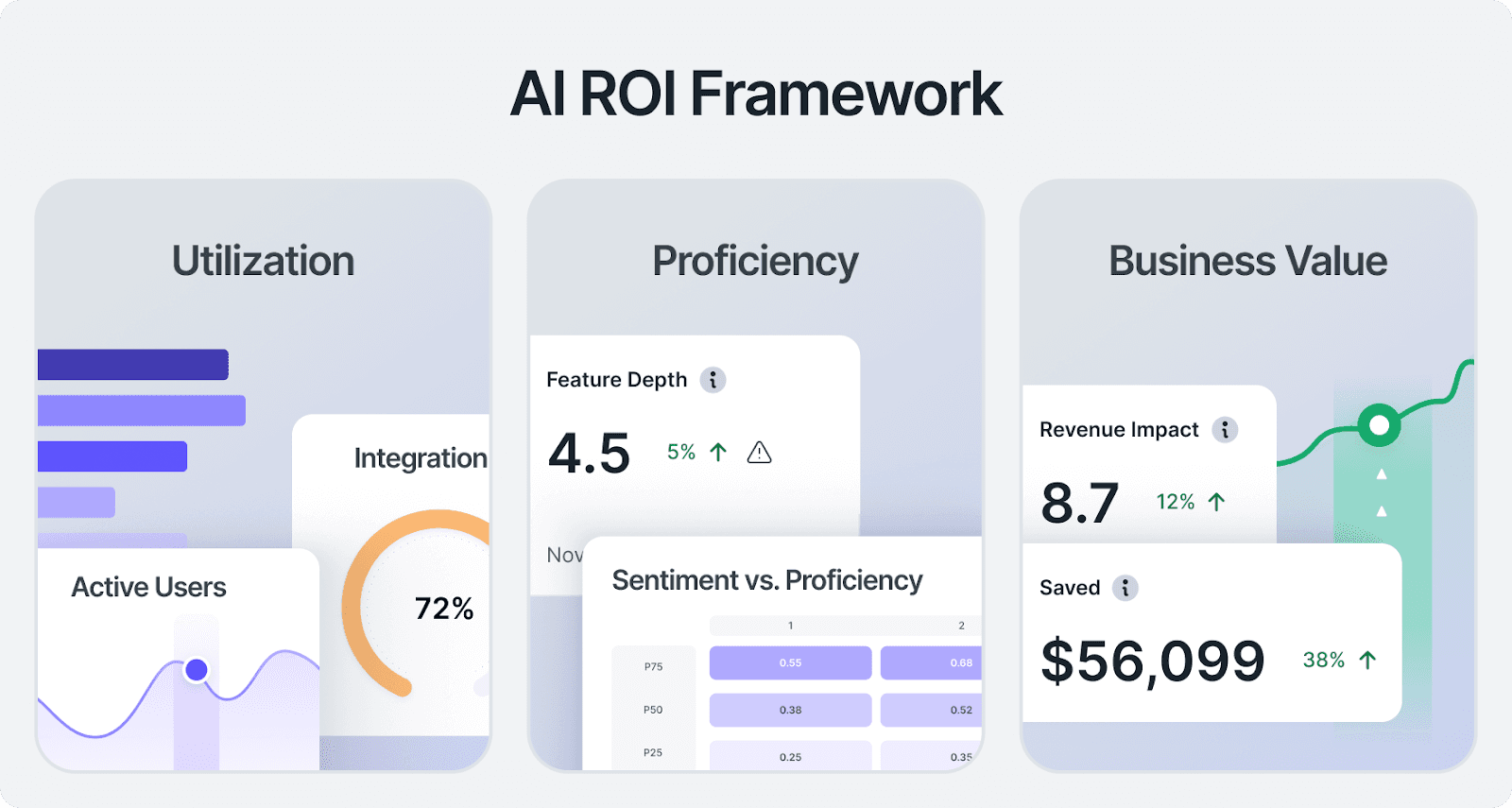
IBM's CEO Study is a reality check for the AI industry. After years of hype, the data shows that three out of four AI initiatives fail to deliver measurable ROI. The root cause isn't technical — it's strategic: teams fall in love with the capabilities of large language models and build solutions in search of a problem. The successful 25% start with a specific business outcome (reduce customer churn by 15%, cut support ticket resolution time by 40%) and then work backward to the AI solution. For newsletter readers building AI products, this is your blueprint: define the metric before you write a single line of code. The study also found that companies with dedicated AI outcome metrics were 3x more likely to report positive ROI.
Meine Einschätzung: This is the most important stat in AI this year. Stop building AI for the sake of AI — start with the business metric you want to move.
Deep Dive
How to Design Multi-Agent Workflows That Actually Deliver ROI
With GPT-5.6, Gemini Spark, and Antigravity 2.0 all pushing agentic workflows, the temptation is to throw agents at every problem. But as the IBM study shows, capability without outcome is a fast track to failure. Here's a practical framework for building multi-agent systems that move business metrics.
Start with a single measurable outcome. Not 'improve customer experience' but 'reduce first-response time from 4 hours to 10 minutes.' This gives you a north star that every agent and sub-agent must serve. Map the current process end-to-end, identifying bottlenecks where human latency or error is highest. Those are your agent insertion points.
Design your agent hierarchy with three layers: a coordinator agent (like Antigravity 2.0's orchestrator), specialized worker agents (one for data retrieval, one for analysis, one for action), and a monitoring agent that tracks success criteria and flags failures. The coordinator should never do work — it delegates and aggregates. Each worker agent should have a single responsibility and a clear success condition.
Use Anthropic's open-source security harness from today's news to scan each agent's permissions and data access. Autonomous agents are only as safe as their least secure sub-agent. The defending-code-reference-harness provides threat modeling templates that catch common vulnerabilities like prompt injection and data exfiltration before they reach production.
Finally, instrument everything. Every agent action should log a timestamp, the input, the output, and whether it met the success criteria. This is how you prove ROI to stakeholders. The 25% of successful AI initiatives all had this measurement layer. Without it, you're flying blind.
Apply this framework to one workflow this week: pick a process that currently requires three or more human handoffs, define the outcome metric, and build a two-agent prototype. You'll learn more in one afternoon than reading a hundred blog posts.
Stop building AI for the demo. Start building it for the metric.