Monday — June 15, 2026
Automatisiert mit einem lokalen KI-Modell erstellt, ohne redaktionelle Prüfung vor Veröffentlichung.
Agent Migration Plan
You are an AI infrastructure engineer. Given the deprecation of Claude Sonnet 4 and Opus 4 models, generate a step-by-step migration plan for a production application using anthropic.claude-sonnet-4-20250514-v1:0. Include API endpoint updates, testing checkpoints, and billing adjustment recommendations. Output as a checklist.
Anthropic deprecates Claude 4, forces migration today
Anthropic dropped a breaking change today that will impact every team running Claude in production. The deprecation of the May 2025 model versions (Sonnet 4 and Opus 4) means any application using those specific API identifiers will stop working immediately. The replacement models, claude-sonnet-4-6 and claude-opus-4-6, are the only supported paths forward. This isn't a gentle sunset — it's a hard cutover. The more consequential shift is in billing. Starting today, any automated, programmatic, or agentic usage of Claude — through the Agent SDK, the claude -p command line tool, Claude Code GitHub Actions, or third-party agent apps — will no longer draw from standard subscription limits. Instead, these uses tap a separate monthly credit pool. Once that pool is exhausted, overages are billed at standard API rates. Interactive chat on claude.ai and direct terminal interactions with Claude Code remain on existing subscription plans. For teams running automated testing, CI/CD pipelines, or agent-based workflows, this means a new line item in your cloud bill. The message is clear: Anthropic wants to separate human-in-the-loop usage from automated agent usage, and they're willing to break production workflows to enforce it. If you haven't already, update your API endpoints today and audit your billing dashboard to understand your new credit pool limits.
Meine Einschätzung: If you blinked, you missed it. This is Anthropic forcing the upgrade path hard and fast — and quietly changing the billing model for anyone running automated workflows. Your CI/CD pipeline just got more expensive.
Snowflake launches CoWork and Cortex Sense
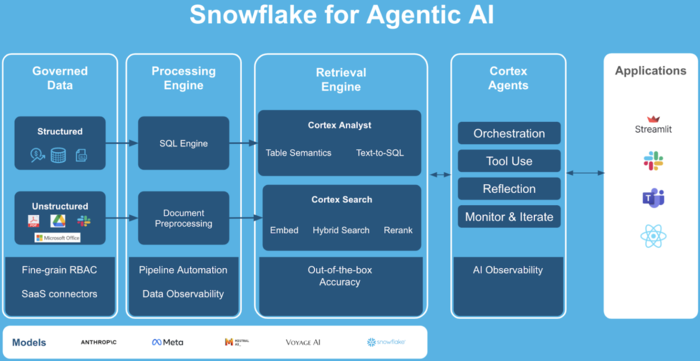
Snowflake's Summit 2026 announcements signal a fundamental shift in how the company sees itself. No longer just a cloud data warehouse, Snowflake is now positioning as an AI work platform. CoWork is the headline: a personal AI agent that knowledge workers can task with automating repetitive work, generating deliverables, and interacting with enterprise systems using natural language. Think of it as an AI assistant that doesn't just answer questions but executes tasks across your data ecosystem. But the more strategic play is Cortex Sense. This is an enterprise memory layer that ingests query history, metadata, dashboards, and organizational context to make AI actions more relevant to your specific business. It's the difference between an AI that knows 'what is our Q3 revenue?' and one that knows 'our Q3 revenue is typically reported in the finance dashboard, and you care about it because you're in the CFO's office.' For builders, this is a direct challenge to the current stack of RAG systems, vector databases, and custom memory implementations. Snowflake is packaging memory as a platform feature, not an integration headache. The implication is clear: if you're building enterprise AI on Snowflake, you now have a path to context-aware agents without building a custom memory layer from scratch. The question is whether Cortex Sense is open enough to work with non-Snowflake data sources, or if this is a lock-in play.
Meine Einschätzung: Snowflake finally understands that the future isn't dashboards — it's agents that do the work for you. Cortex Sense is the sleeper hit here: memory that actually learns from your data context is what makes AI useful beyond chat.
Cloud202 and PTC launch agentic platforms
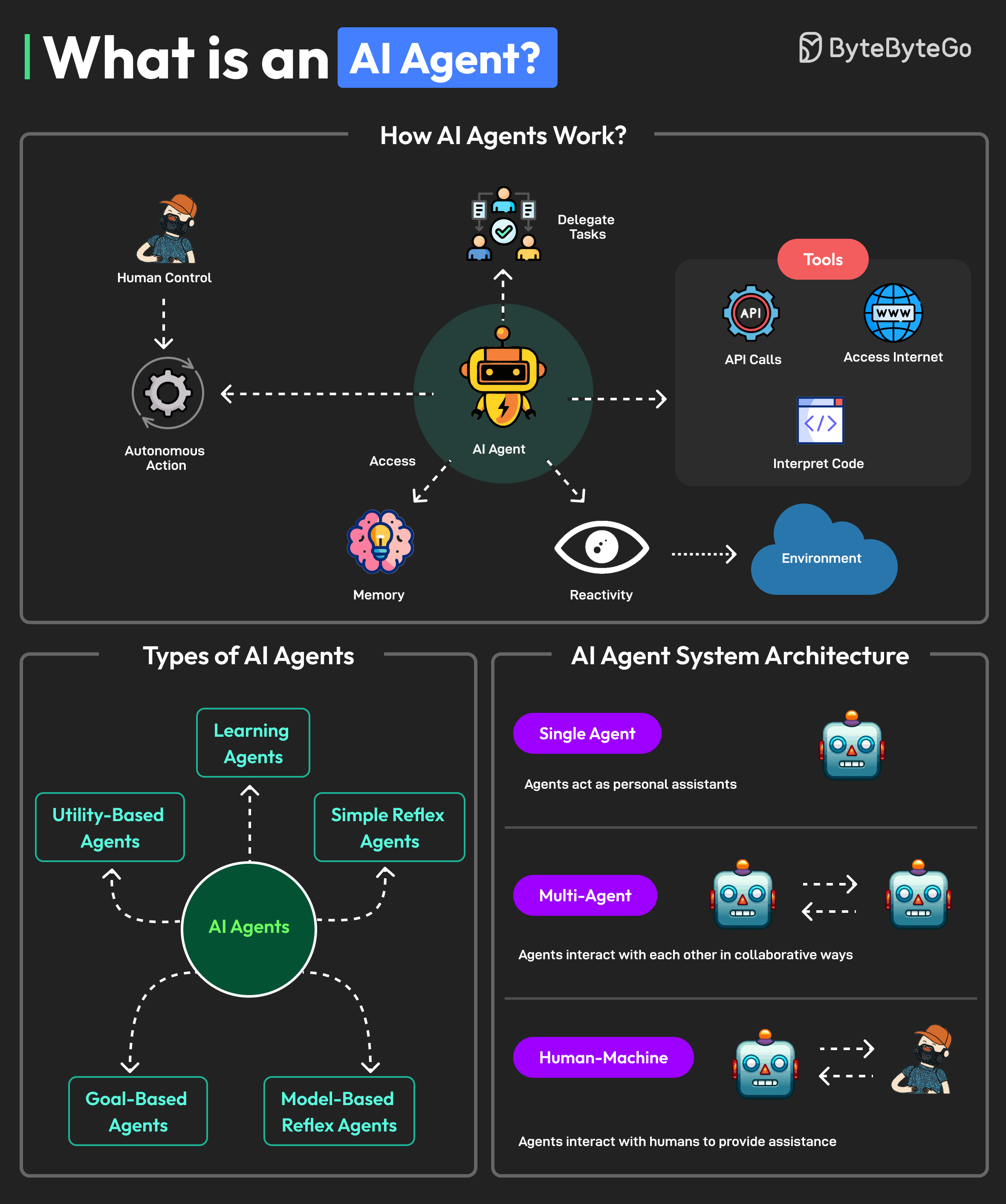
The agentic platform race is heating up, and today brought two very different entrants. Cloud202's Qubitz AI is a startup play — founded by former AWS specialists, it promises to take organizations from AI idea to production application in weeks, not months, with up to 80% cost savings. The pitch is refreshingly practical: focus on the business problem first, let the platform handle the infrastructure. For teams tired of Kubernetes YAML and GPU allocation, that's a compelling value prop. PTC's approach is more enterprise and more specific. Orbit is an AI-first platform that unifies product data from PLM, ERP, CRM, IoT, and other systems into a single record, with AI maintaining data quality. Alongside it, Jetstream enables cloud-native collaboration on that data. This is for manufacturers who have decades of product data scattered across legacy systems and need AI to make sense of it. The common thread is that both platforms are betting that the next wave of enterprise AI adoption won't be about training models — it will be about connecting AI to business data and workflows. Cloud202 goes after the 'we can't get anything into production' pain point. PTC goes after the 'we don't know what data we have' pain point. Both are real, and both are massive markets. If you're evaluating agentic platforms, ask yourself which problem you actually have: deployment speed or data unification? The answer determines which of these (or neither) is right for you.
Meine Einschätzung: Two very different plays on the same trend: agents are the new application platform. Cloud202 is selling speed and cost reduction to enterprises drowning in infrastructure complexity. PTC is selling data unification to manufacturers who can't find their own product specs.
Deep Dive
Migrating AI Agents Without Breaking Production
Today's Anthropic deprecation is a wake-up call for anyone running AI agents in production. Model versions get deprecated, APIs change, billing models shift — and your agents keep running until they don't. The key lesson is that agentic workloads require a different deployment strategy than traditional API calls. Here's how to build migration resilience into your AI agent architecture. First, never hardcode model versions or API identifiers in your agent code. Use environment variables or configuration files that can be updated without redeploying the entire agent. This sounds obvious, but most agent frameworks I've seen in production have model names baked into prompt templates or function definitions. Today's Anthropic change is a perfect example: if you had 'anthropic.claude-sonnet-4-20250514-v1:0' hardcoded, your agent is broken right now. Second, implement a model abstraction layer. Instead of calling Claude directly, call a wrapper that maps logical model names (like 'claude-sonnet-latest') to actual API identifiers. This wrapper can also handle fallback logic — if one model is deprecated, the wrapper automatically routes to the next available version. This adds a few lines of code but saves hours of emergency debugging. Third, separate billing concerns from model calls. Anthropic's new credit pool model means automated agent usage now has its own billing track. Build a monitoring layer that tracks which API calls are 'interactive' vs 'automated' so you can predict costs. Use webhooks or billing alerts to notify you before the credit pool is exhausted. Finally, test your migration path before you need it. Set up a staging environment that mirrors production but uses the latest model versions. Run your agent test suite against it weekly. When a deprecation hits, you'll already know if the new model breaks your prompts or changes output behavior. The takeaway is simple: treat AI model endpoints like any other production dependency — with versioning, abstraction, and monitoring. The models will keep changing. Your architecture shouldn't have to.
The models you depend on today won't be the models you depend on tomorrow — build for migration, not permanence.