Wednesday — June 17, 2026
Automatisiert mit einem lokalen KI-Modell erstellt, ohne redaktionelle Prüfung vor Veröffentlichung.
Agent Migration Plan
You are an AI infrastructure lead. Generate a migration plan for deprecating Claude Sonnet 4 and Opus 4 API calls to claude-sonnet-4-5 and claude-opus-4-7. Include a timeline, testing strategy, rollback plan, and impact analysis on existing agents and costs.
SpaceX acquires Cursor for $60B
SpaceX announced today that it has entered into a definitive agreement to acquire Anysphere, the company behind the Cursor AI coding editor, for approximately $60 billion in an all-stock transaction. The deal represents the largest AI acquisition of 2026 and signals a dramatic shift in how the aerospace company views its role in the broader AI ecosystem. Cursor has rapidly become the go-to AI coding assistant for developers, known for its deep codebase understanding and agentic capabilities. By combining Cursor with xAI's Grok models and SpaceX's massive computational infrastructure, the company aims to create what it calls 'the most advanced AI coding agent ever built.' The acquisition also positions SpaceX to compete directly with Microsoft/GitHub Copilot, Amazon CodeWhisperer, and Anthropic's Claude Code in the developer tools market. For developers currently using Cursor, expect integration with Grok models in the coming months, along with potential pricing changes as the tool scales under SpaceX's ownership. The deal is expected to close in Q3 2026, pending regulatory approval.
Meine Einschätzung: This is the biggest AI acquisition of the year and it changes the game. SpaceX isn't just building rockets—they're building the coding infrastructure for the next decade.
Anthropic deprecates Sonnet 4 and Opus 4
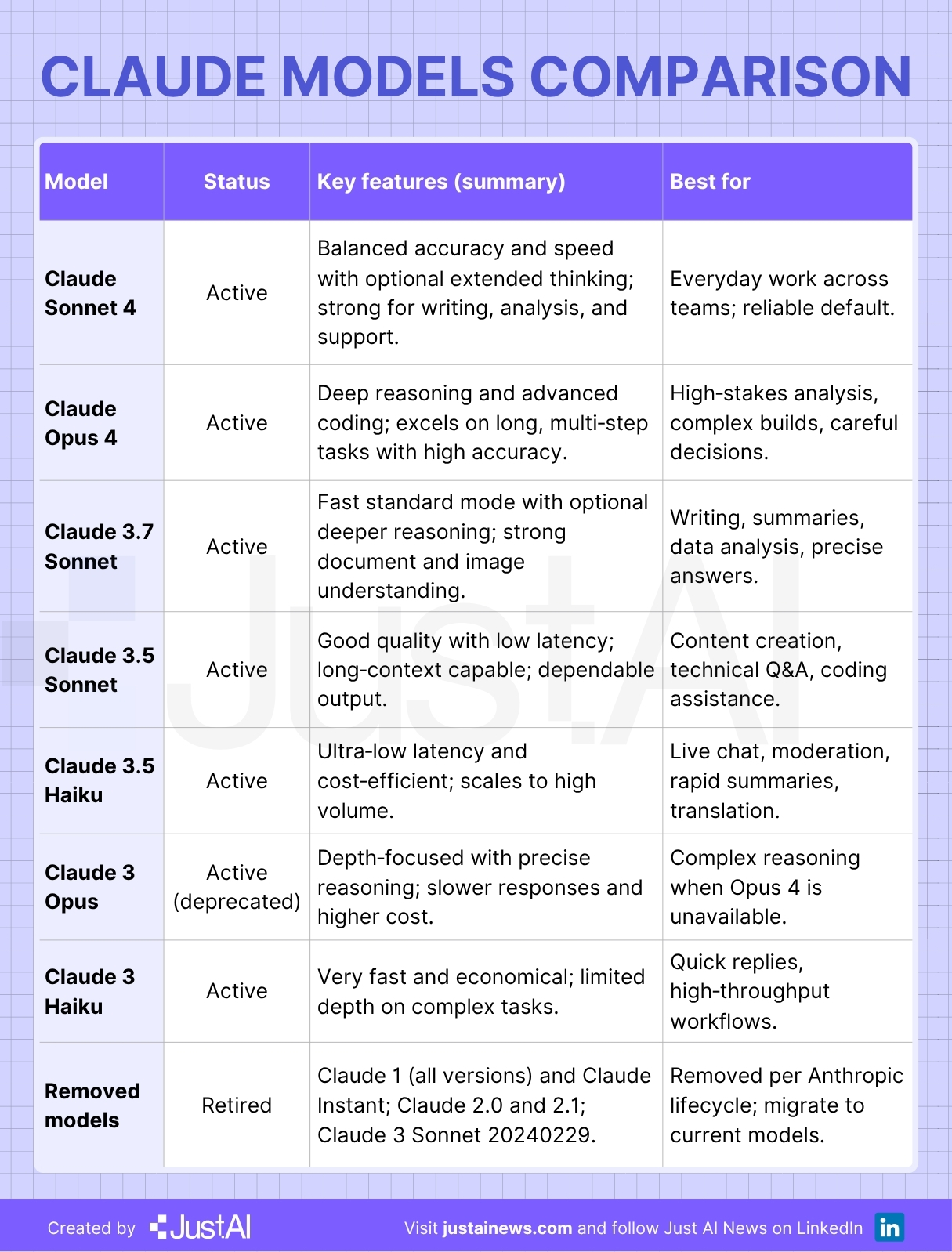
On June 15, 2026, Anthropic officially deprecated Claude Sonnet 4 and Opus 4, meaning any API calls using these specific model identifiers will now return errors. This is a hard deprecation—not a soft sunset—so developers who haven't migrated will see immediate failures in production. The recommended replacements are claude-sonnet-4-5 and claude-opus-4-7, which offer improved reasoning, longer context handling, and better instruction following. Anthropic has provided migration guides, but the window is tight. In related news, Anthropic paused a planned change that would have moved automated Agent SDK usage onto a separate monthly credit. This pause gives developers continued flexibility in how they use agents, particularly for those running Claude Code and Managed Agents at scale. The deprecation comes as Anthropic doubles down on its newer model families and prepares for the next generation of Claude models. For teams running production workloads, this is an urgent wake-up call: update your model identifiers, test your prompts, and validate that agent behavior hasn't changed with the new versions.
Meine Einschätzung: Anthropic is cleaning house. If you're still on Sonnet 4 or Opus 4, your code is already broken. Migrate today.
Salesforce buys Fin for $3.1B
Salesforce announced the acquisition of Fin for $3.1 billion, adding the company's AI customer service agents to its existing suite of enterprise tools. Fin has built a reputation for deploying AI agents that can handle complex customer service interactions using its proprietary Apex model, which is designed specifically for support workflows. The acquisition is a clear signal that Salesforce sees AI-powered customer service as a critical battleground in the enterprise software market. By integrating Fin's technology, Salesforce can offer businesses pre-built, customizable AI agents that handle everything from password resets to complex billing disputes without requiring extensive AI expertise. For Fin customers, the transition means deeper integration with Salesforce's CRM, Service Cloud, and Data Cloud platforms. However, it also raises questions about data sovereignty and vendor lock-in, as Fin's agents will increasingly rely on Salesforce's infrastructure. The deal is expected to close in the coming weeks, and Salesforce has indicated that Fin's agents will remain available as standalone products for the near term.
Meine Einschätzung: Salesforce is buying its way into AI customer service instead of building. For enterprises, this means more turnkey AI agents but also more lock-in to the Salesforce ecosystem.
US government tightens AI regulation
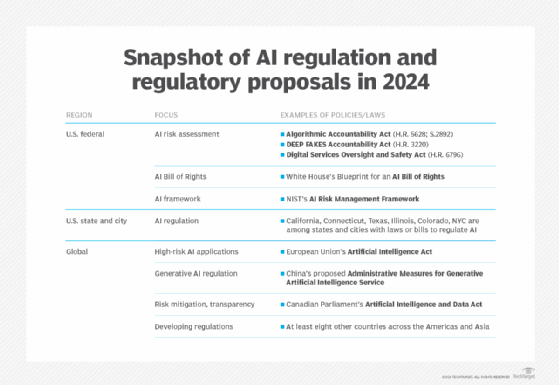
Two major policy developments today signal a significant shift in how the US government approaches AI regulation. First, President Biden signed National Security Presidential Memorandum 11 (NSPM-11), which establishes a comprehensive policy framework for AI use across the national security enterprise. The memorandum accelerates adoption of AI in defense and intelligence while calling for voluntary cybersecurity assessments with frontier AI developers. It emphasizes secure, governable AI deployments and sets expectations for builders in defense-adjacent spaces. Second, a bipartisan group of lawmakers released a discussion draft of the Great American AI Act, which proposes binding obligations for large frontier developers—defined as companies with over $500 million in annual revenue that train frontier AI models. The act would require safety testing, transparency reporting, and adherence to federal standards. Together, these developments indicate a clear trend toward increased regulatory oversight for powerful AI systems. For AI companies, this means compliance teams need to be staffed up, and for enterprises using AI, it means due diligence on your vendors' regulatory posture will become standard practice.
Meine Einschätzung: The regulatory hammer is coming. If you build frontier AI models or use them in defense, start preparing for compliance now.
Google Gemini CLI reaches end-of-life
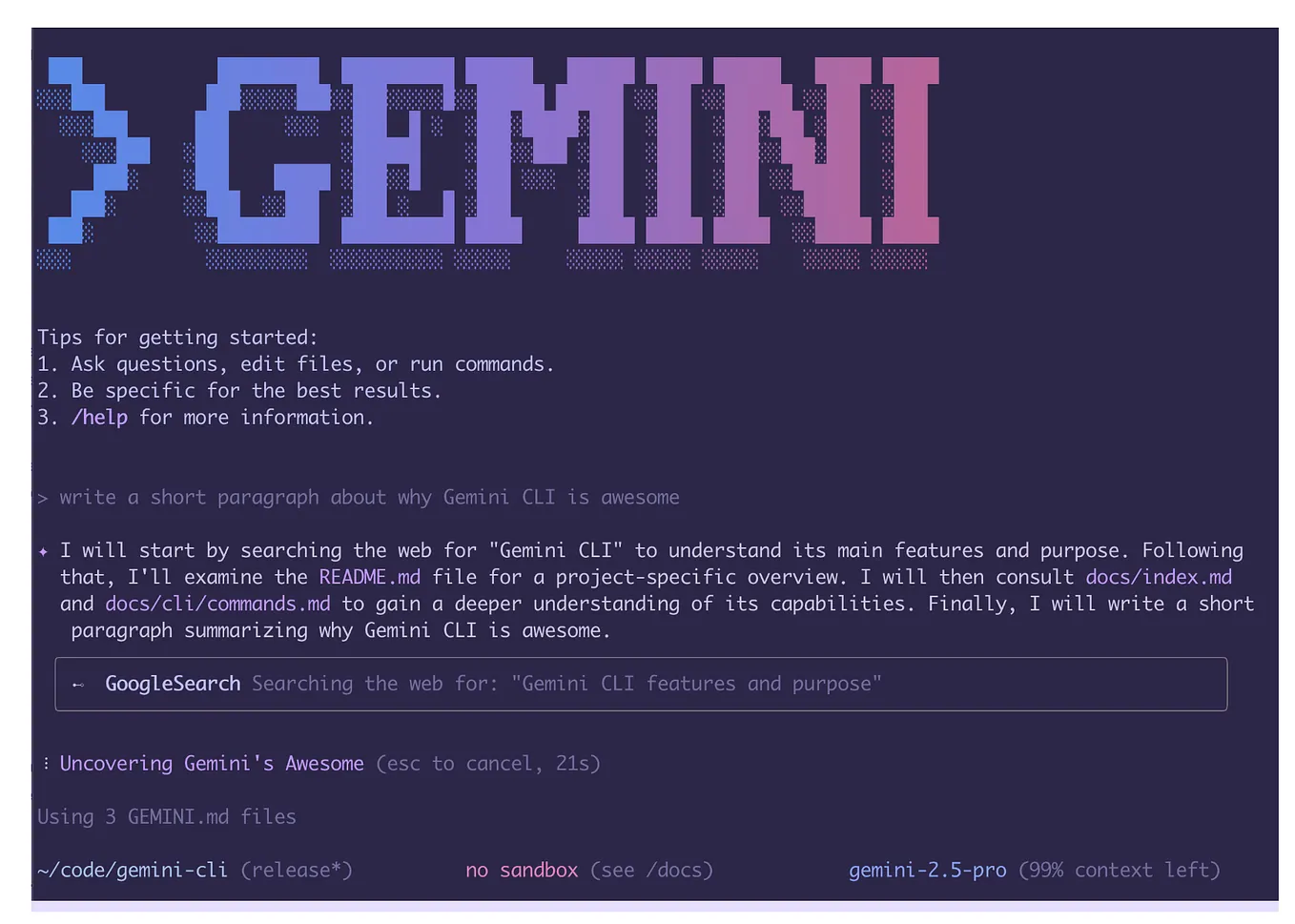
Google announced that the Gemini CLI will reach end-of-life on June 18, 2026—just one day from now. After this date, the CLI will no longer receive updates or support, and Google strongly recommends migrating to the new Agentic 2.0 CLI. The Agentic 2.0 CLI offers improved agent orchestration, better integration with Google Cloud services, and enhanced security features. For teams using the Gemini CLI in CI/CD pipelines, automated scripts, or development workflows, this is an urgent migration. The new CLI has a different command structure and configuration format, so migration will require updating scripts and testing pipelines. Google has provided migration documentation, but the timeline is extremely tight. This deprecation is part of Google's broader strategy to consolidate its AI tooling around the Agentic platform, which also includes the recently released Agentic 2.0 API and managed agent services.
Meine Einschätzung: Another forced migration. If you're still using Gemini CLI, you have one day to switch. Don't let your pipelines break.
Deep Dive
How to Handle Hard Model Deprecations Without Breaking Production
Today's news about Anthropic deprecating Sonnet 4 and Opus 4 with immediate effect is a stark reminder that model providers can and will cut off access to older models without a long sunset period. If you're running production workloads, you need a strategy for handling these hard deprecations without causing downtime or degraded user experience. The first step is to never hardcode model identifiers directly in your application code. Instead, use environment variables or a configuration service that can be updated without redeploying. This allows you to swap model identifiers quickly when deprecations happen. Second, maintain a model compatibility matrix that maps your application's features to specific model versions. When a model is deprecated, you can immediately see which features are affected and prioritize testing. Third, implement a canary deployment pattern for model changes. Route a small percentage of traffic to the new model while monitoring for regressions in response quality, latency, and error rates. This is especially important when moving between model versions, as behavior can change even with the same prompt. Fourth, have a rollback plan. If the new model causes issues, you need to be able to fall back to a previous version or switch to an alternative provider. This might mean keeping a cached version of the old model running on your own infrastructure for a short period, or having a backup provider configured. Finally, set up automated alerts for API errors related to model identifiers. When Anthropic deprecated Sonnet 4, any developer still using that identifier would have seen immediate 400 errors. If you have monitoring in place, you can catch these errors within minutes and trigger your migration workflow. The key takeaway is that model deprecations are a feature, not a bug, of the AI landscape. Providers will continue to iterate quickly, and you need to build your systems to handle that velocity without breaking your user experience.
The AI landscape shifts fast—if you're not migrating, you're already broken.