Saturday — June 20, 2026
Automatisiert mit einem lokalen KI-Modell erstellt, ohne redaktionelle Prüfung vor Veröffentlichung.
Token Cost Optimizer
You are an AI cost optimization expert. Analyze my current AI usage patterns (API calls, model choices, prompt lengths) and suggest three specific changes to reduce token consumption by at least 30% without sacrificing output quality. Provide a step-by-step implementation plan.
SpaceX Acquires Cursor AI

SpaceX's acquisition of Cursor is a landmark moment in the AI coding space. Cursor, previously a standalone tool beloved by developers for its agentic refactoring and deep repository awareness, will now be folded into SpaceX's internal toolchain. This move mirrors a broader trend: tech giants are no longer satisfied with licensing AI coding assistants; they want to own the technology outright. For SpaceX, which builds rockets, satellites, and spacecraft, AI coding is not a nice-to-have but a critical capability for accelerating development cycles. The acquisition likely means Cursor will be optimized for SpaceX's specific workflows—think avionics software, simulation models, and manufacturing control systems. For the rest of the industry, this signals that AI coding tools are becoming core infrastructure, not just productivity boosters. Expect more acquisitions in this space as companies race to internalize AI coding capabilities. If you're a developer, start experimenting with open-source alternatives like OpenClaw or eve from Vercel to hedge against vendor lock-in.
Meine Einschätzung: This is Elon signaling that AI coding is too strategic to leave to third parties. If SpaceX is buying, the rest of you should be building internal AI coding pipelines now.
DeepSeek Raises $7.4B at $50B+ Valuation

DeepSeek's $7.4B raise is the largest ever for a Chinese AI startup, but the valuation is almost secondary to the deal's unusual terms. Investors—likely a mix of state-backed funds and sovereign wealth—must agree not to poach DeepSeek employees or fund competing ventures. This is unprecedented in venture capital and signals extreme scarcity of top AI talent. China's AI ecosystem is now in a full-blown arms race with the US, and companies are using financial engineering to lock down human capital. For US-based AI professionals, this means your leverage in salary negotiations has never been higher. For founders, it means building AI teams will get harder and more expensive. The broader implication: expect more restrictive talent clauses in AI funding rounds globally. If you're an AI engineer, now is the time to negotiate aggressively. If you're a startup, consider equity-heavy compensation to attract talent without burning cash.
Meine Einschätzung: The anti-poaching clause is the real story here: it's a defensive move in an AI talent war that's about to get nuclear. If you're in AI, your compensation just went up.
GitHub Copilot Moves to Usage-Based Billing
GitHub Copilot's shift to usage-based billing is a seismic change for developers who have grown accustomed to unlimited AI assistance for a flat fee. Under the new model, every input token, output token, and cached token is counted toward your GitHub AI Credits. Code reviews now consume GitHub Actions minutes on top of that. In response, GitHub has implemented token efficiency improvements in VS Code, including extended prompt caching for OpenAI models and reduced tool-definition overhead. But the onus is now on developers to optimize their usage. This is where tools like headroom (which compresses LLM inputs by 60-95%) become critical. The new billing model also incentivizes using smaller, cheaper models for simple tasks and reserving powerful models for complex work. For teams, this means setting up monitoring dashboards for token consumption and establishing guidelines for when to use AI assistance. The era of 'just use Copilot for everything' is over.
Meine Einschätzung: This is the end of the all-you-can-eat AI coding buffet. If you're not tracking your token usage today, you're going to get a nasty surprise on your next bill.
US Government Restricts Claude's Top Models
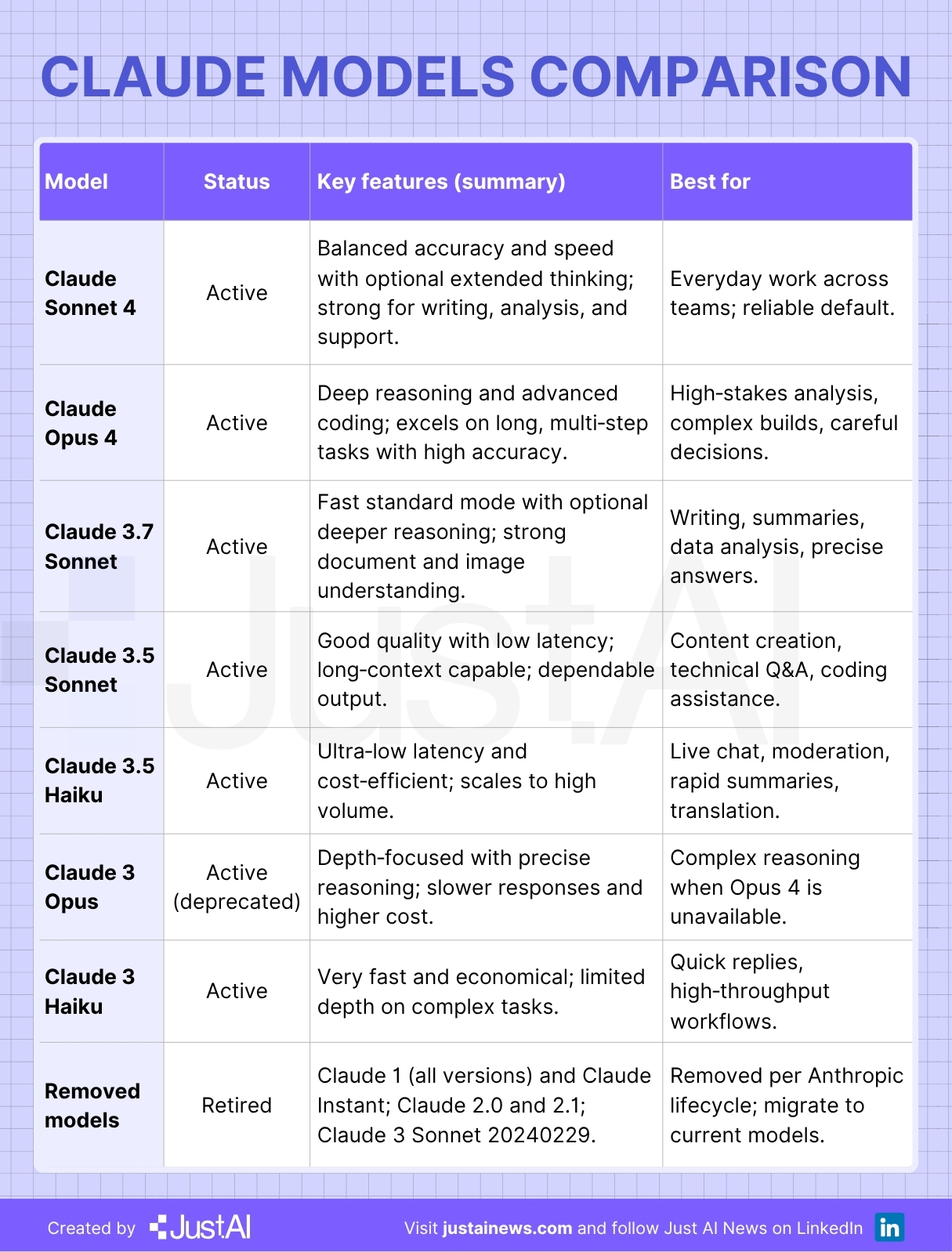
The US government's decision to restrict access to Anthropic's most powerful models marks a new phase in AI geopolitics. By targeting Claude Fable 5 and Mythos 5—presumably the most capable models Anthropic has—the Department of Commerce is essentially weaponizing AI capability tiers. The broad compliance move (disabling models for all customers) suggests the government wanted to avoid any risk of leakage. This follows a pattern: the US is increasingly treating frontier AI models as dual-use technologies subject to export controls. For developers outside the US, this means you may lose access to the best models overnight. For US-based developers, it means your competitive advantage just grew. The practical response: diversify your model providers. Don't build your entire stack on a single vendor's most capable model. Invest in open-source alternatives like Liquid AI's LFM2.5 or Cosmos 3 for non-critical workloads. And if you're building for international customers, design your architecture to support multiple model backends from the start.
Meine Einschätzung: This is the first major government intervention in frontier model access, and it won't be the last. If you're a non-US developer, start planning for a fragmented AI world now.
Deep Dive
How to Survive the Usage-Based AI Apocalypse
GitHub Copilot's shift to usage-based billing is just the canary in the coal mine. Every major AI platform is moving this direction—OpenAI, Anthropic, Google. The era of flat-rate unlimited AI is ending. Here's how to adapt without breaking your budget. First, understand your token economics. Most developers have no idea how many tokens they consume per day. Install a tool like headroom or use your platform's dashboard to get a baseline. You'll likely find that 80% of your token spend comes from 20% of your tasks—usually the ones where you're asking the AI to re-explain something you already know. Stop doing that. Second, implement tiered model routing. Use small, cheap models (like Claude Haiku or GPT-4o Mini) for simple tasks: code completions, documentation, basic debugging. Reserve expensive models (Claude Opus, GPT-5.5) for complex reasoning, architecture design, and security reviews. Tools like Vercel's AI Gateway can automate this routing based on task complexity. Third, optimize your prompts. Every unnecessary word costs you money. Use the 'tokless' package from Google to minimize token usage in agentic sessions. Cache frequently used context—GitHub's extended prompt caching is a lifesaver here. Fourth, set hard budgets. Most platforms now allow you to set spending limits per user, per team, or per project. Use them. If a developer hits their limit, they should be forced to think about whether they really need that AI assist or can solve the problem themselves. Finally, invest in open-source alternatives. OpenClaw, now with 210,000 GitHub stars, is a viable local alternative for many coding tasks. It connects to 50+ integrations and costs nothing in API fees. The usage-based future is here. The developers who adapt will thrive; the ones who keep treating AI like an unlimited resource will get priced out.
The AI gold rush is over. The efficiency era has begun.