Monday — June 22, 2026
Automatisiert mit einem lokalen KI-Modell erstellt, ohne redaktionelle Prüfung vor Veröffentlichung.
Agent Comparison Dashboard
Act as an AI product analyst. Compare the responses from GPT-5.6, Claude Fable 5, and Mistral's unified agent for generating a multi-step Python script that scrapes a website, extracts key data, and writes it to a CSV. Output a side-by-side comparison of code quality, efficiency, and error handling.
SpaceX Buys Cursor for $60B
The $60 billion all-stock acquisition of Anysphere by SpaceX is a bold bet that the future of software development is AI-driven. Cursor, which started as a fork of VS Code with AI copilot features, became the go-to coding agent for developers who wanted more than autocomplete. SpaceX's involvement means xAI's Grok models will likely power Cursor's next iteration, and the newly announced Grok Build agent will compete directly with OpenAI's Codex and Claude's coding capabilities. For developers, this could mean better model integration and lower latency, but also potential lock-in to the xAI ecosystem. The deal signals that the AI coding tool market is consolidating fast, and independent players may struggle to compete without massive capital backing. If you're a Cursor user, expect changes in pricing and model options within the next quarter. The broader implication: enterprise AI tools are becoming strategic assets, not just productivity boosters.
Meine Einschätzung: This is Musk buying his way into the enterprise coding market. Expect tight integration with xAI models and a lot of hype, but the real test is whether Cursor keeps its developer-first soul.
OpenAI GPT-5.6 Launch Imminent
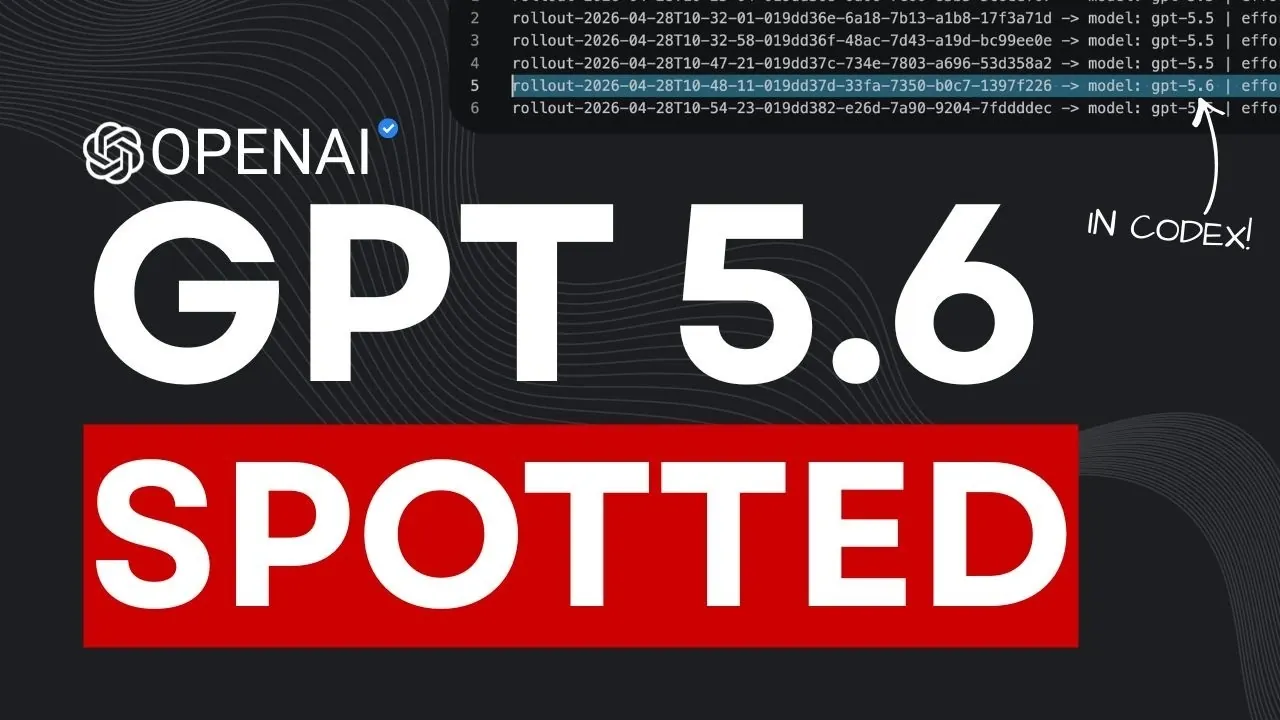
GPT-5.6 is shaping up to be OpenAI's most practical release yet, focusing less on raw intelligence and more on usability and scale. The expanded context window from 1M to 1.5M tokens means you can feed it entire code repositories, legal contracts, or research papers without chunking. The 3D generation capability hints at OpenAI's push into spatial computing and digital twins, which could reshape industries like architecture and game design. Early ChatGPT Pro users report the model is already running in limited deployment, with noticeably faster and more capable responses. For developers, the Mini variant will be the workhorse for agentic workflows, while Pro will handle complex multi-step tasks. The timing — just after SpaceX's Cursor acquisition — suggests OpenAI is racing to maintain its lead in coding agents. If you're building AI-powered products, start planning your migration to GPT-5.6's API as soon as it drops, especially for tasks requiring long context.
Meine Einschätzung: The context window jump to 1.5M tokens is the real headline here — that's enough to process entire codebases or long documents in one go. The efficiency boost means faster responses, which matters for real-time agent applications.
Mistral Launches Unified Agent
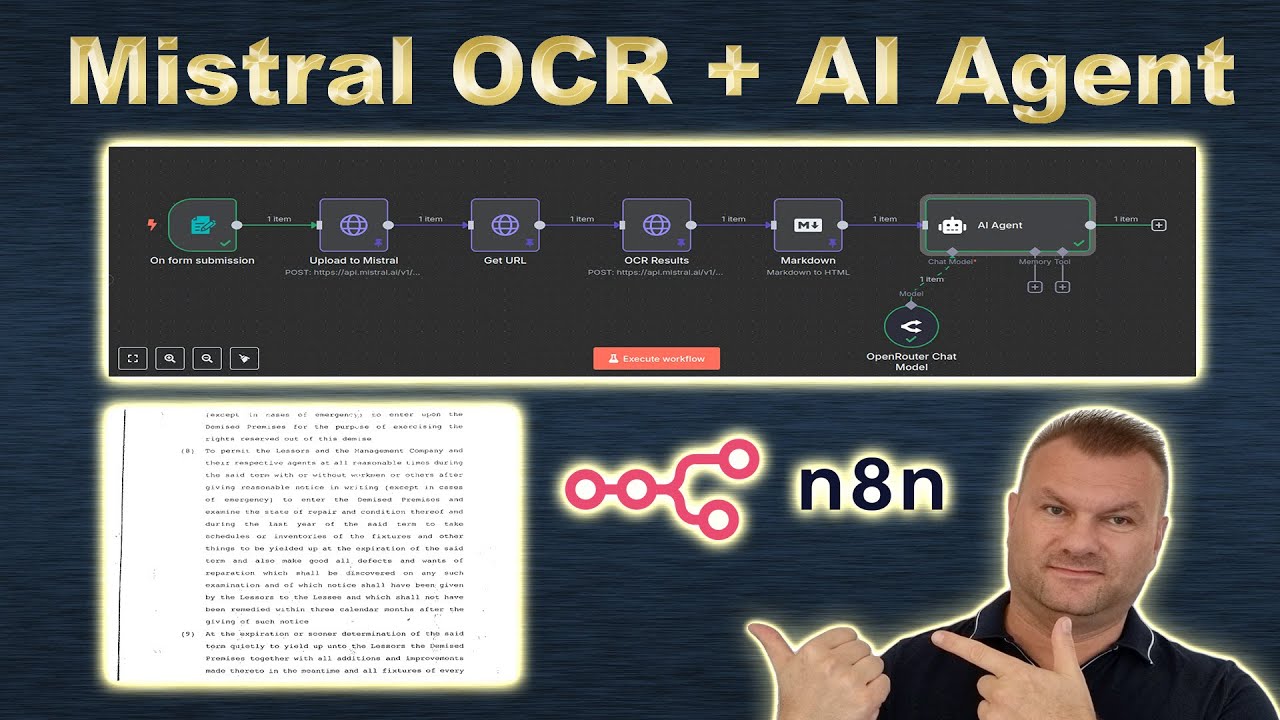
Mistral's unified agent is a direct response to the fragmented agent landscape, where developers had to stitch together multiple tools for planning, execution, and monitoring. By offering a single agent with built-in MCP connectors, Mistral reduces the cognitive overhead of building agentic systems. The human-in-the-loop approval feature is critical for industries like finance and healthcare, where automated decisions need oversight. The agent is available across Mistral's API, SDK, and enterprise workflows, making it easy to integrate into existing systems. For developers, this means less time wiring up connectors and more time focusing on business logic. The long-horizon capability — handling tasks that span hours or days — sets it apart from simpler agents that lose context quickly. Mistral is betting that enterprises want a single, auditable agent rather than a swarm of specialized bots. If you're building internal tools or customer-facing automation, Mistral's agent is worth a serious look, especially if you need open-source flexibility.
Meine Einschätzung: Mistral's agent is the first truly enterprise-ready open-source competitor to OpenAI's agents. The MCP connectors and human-in-the-loop approval are smart design choices for regulated industries.
China's GLM-5.2 Beats GPT-5.5 on Coding
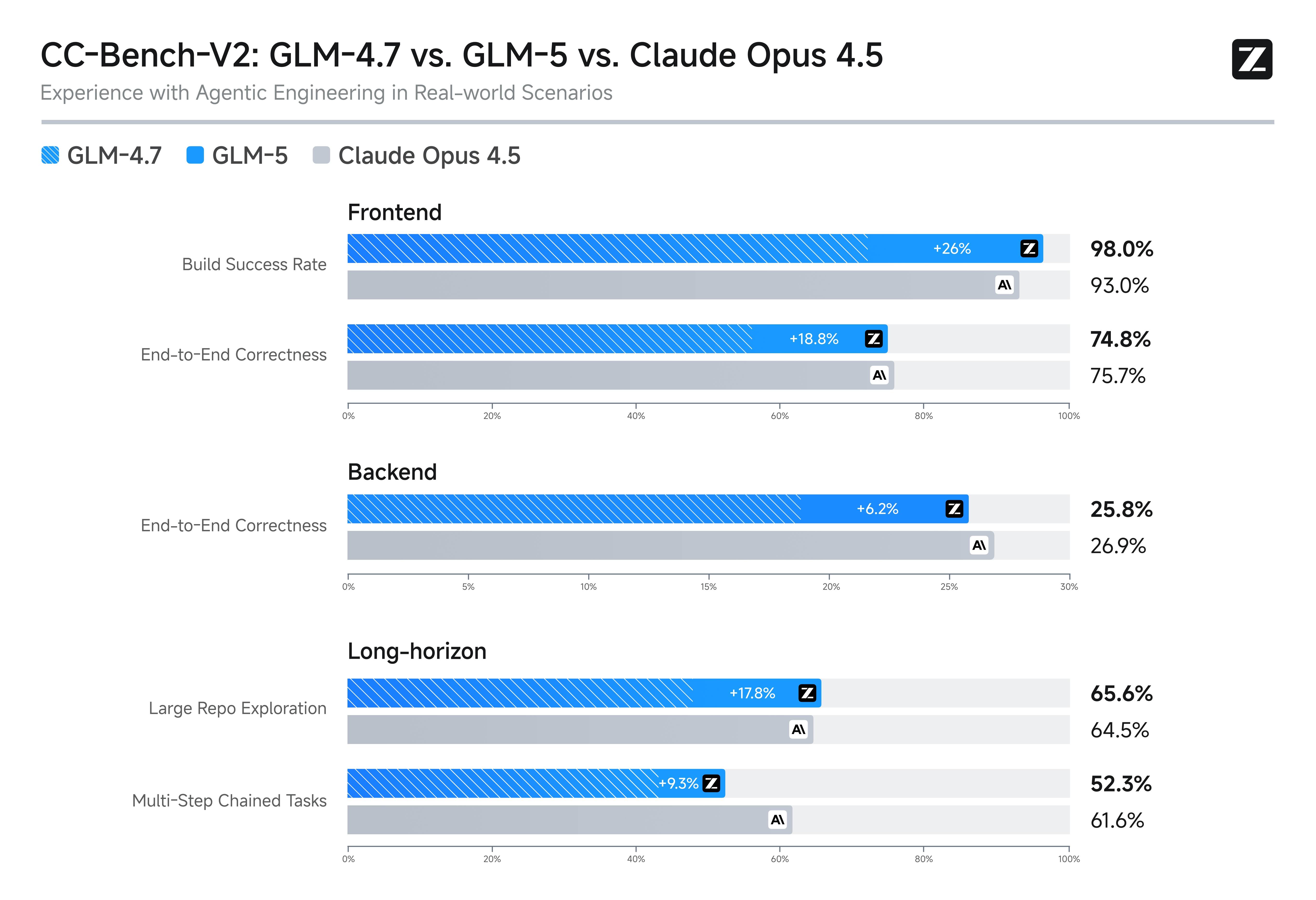
Zhipu AI's GLM-5.2 is a wake-up call for Western AI labs. By beating GPT-5.5 on the FrontierSWE benchmark — which tests multi-hour software engineering tasks — it proves that open-source models can compete with proprietary leaders. The fact that it's only one point behind Claude Fable 5, which is currently unavailable due to export restrictions, makes GLM-5.2 the de facto best option for developers who need a locally hostable coding model. This has significant implications for data privacy, cost, and customization. Companies that were hesitant to use cloud APIs for sensitive code can now run a state-of-the-art model on their own infrastructure. The model is available on Hugging Face and can be fine-tuned for specific codebases or programming languages. For developers, this means you can now have a coding assistant that never leaves your network, with performance that rivals the best cloud offerings. The catch: you'll need substantial GPU resources to run it, but the trade-off is worth it for security-conscious teams.
Meine Einschätzung: This is a big deal for open-source AI. GLM-5.2 is now the best open coding model available, especially since Fable 5 is offline due to export controls. If you need a powerful code model you can run locally, this is it.
Deep Dive
Build an Agent with MCP Connectors
Mistral's unified agent with MCP connectors is a blueprint for building agents that interact with external tools safely. The Model Context Protocol (MCP) defines a standard way for agents to call functions, access data, and get user approval before taking actions. Here's how to implement it in your own projects.
First, understand the three components: the agent (which plans and executes tasks), the MCP server (which exposes tools and data sources), and the human-in-the-loop approval layer (which intercepts sensitive actions). Mistral's Studio provides pre-built MCP connectors for common services like databases, APIs, and file systems, but you can build custom ones using their SDK.
To create a custom MCP connector, you define a set of tools with input schemas and output formats. For example, a connector for a CRM system might have a 'create_contact' tool that requires a name and email. The agent will call this tool when it needs to add a contact, but the human-in-the-loop layer will pause execution and ask for approval before the tool runs. This prevents the agent from making unauthorized changes.
The key insight is that MCP connectors decouple the agent's reasoning from the actual execution. The agent decides what to do, but the connectors control how it's done and whether it's allowed. This makes the system auditable and safe for production use. For enterprise deployments, you can log all tool calls and approvals for compliance.
To get started, clone Mistral's MCP connector repository and run the example with a simple tool like a calculator. Then extend it with your own tools. The hardest part is designing the approval rules — you need to decide which actions require human approval and which can be automated. Start with a conservative policy (approve everything) and gradually relax it as you gain confidence.
Finally, test your agent with multi-step tasks that require sequential tool calls. Mistral's agent is designed for long-horizon tasks, so it can maintain context across dozens of steps. Use the Studio's debugging tools to inspect the agent's reasoning and tool calls. This will help you identify where the agent gets stuck or makes errors. The result is an agent that's both powerful and safe.
The AI agent wars are here: SpaceX bought Cursor, OpenAI dropped a 1.5M token model, and Mistral gave us open-source connectors. Pick your stack and build.