Friday — June 26, 2026
Automatisiert mit einem lokalen KI-Modell erstellt, ohne redaktionelle Prüfung vor Veröffentlichung.
Shopping Recommender
You are a local shopping assistant. Given a user's intent and location, recommend 3 specific stores or products with reasoning. Constraints: prioritize local businesses, use real-time data if available, and explain why each choice fits the user's needs.
OpenAI unveils Jalapeño AI inference chip
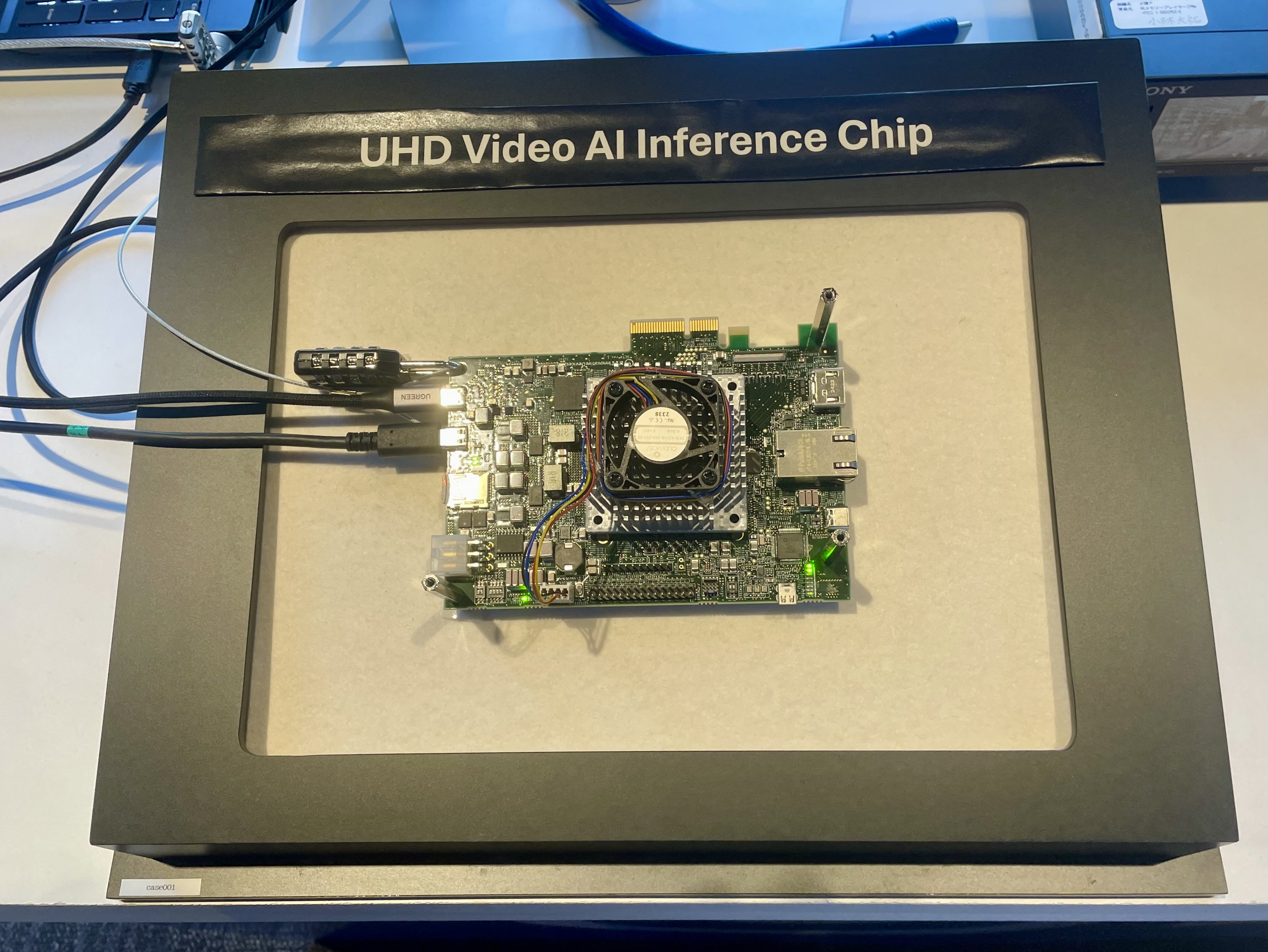
OpenAI's Jalapeño chip is purpose-built for inference, not training, targeting the massive compute demand of serving models like GPT-5.5 at scale. Partnering with Broadcom gives them manufacturing and networking expertise to deploy at hyperscale. The chip is designed for multi-generation deployment, meaning future iterations will improve without a complete architectural overhaul. For builders, this could translate to lower API costs and faster response times as OpenAI reduces dependency on third-party hardware. However, it also tightens OpenAI's grip on the ecosystem—if you're building on their API, you're betting on their hardware roadmap. The first deployments target late 2026, so don't expect immediate changes, but start planning for a world where inference costs could drop significantly.
Meine Einschätzung: This is OpenAI's play to own the stack from silicon to API. If they pull it off, watch for cost drops and tighter integration that rivals can't match.
Qualcomm buys Modular for $4B
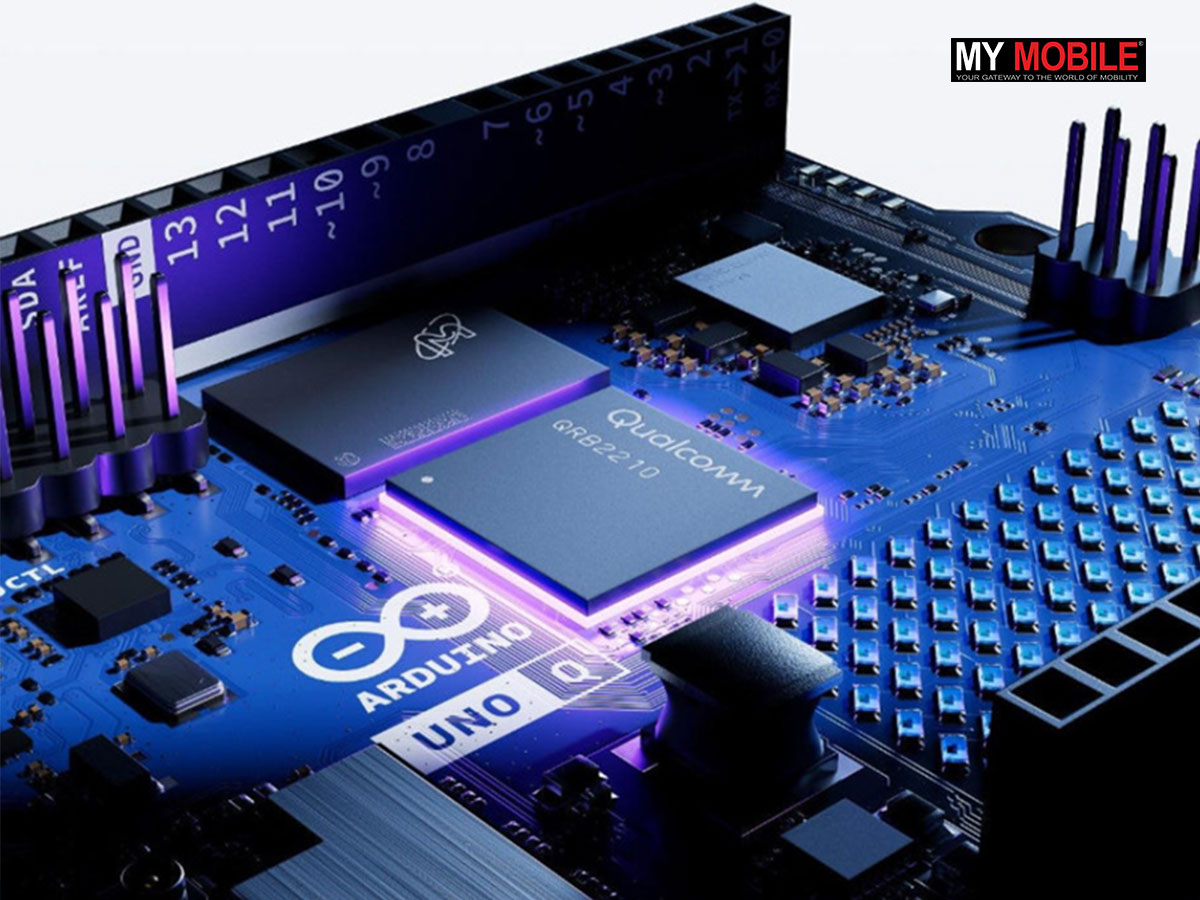
Modular's value is in its abstraction layer: write once, run on any chip—GPU, CPU, NPU, or custom hardware. This directly threatens Nvidia's lock-in, where CUDA-optimized code doesn't easily port to competitors. Qualcomm is betting that the future of AI is heterogeneous hardware, and they want to be the middleware that makes it seamless. For developers, this means more flexibility: you could deploy on Qualcomm's edge chips, cloud GPUs, or even upcoming custom silicon without rewriting. The $4B price tag reflects the strategic importance of breaking the current dependency. However, integration risk is real—Qualcomm has a mixed track record with acquisitions. Watch for Modular's tools to appear in Qualcomm's AI Hub and developer SDKs over the next 12 months.
Meine Einschätzung: Qualcomm just bought the key to making AI hardware-agnostic. If they execute, developers win—but it's a long bet against Nvidia's CUDA moat.
GPT-5.5 Instant update improves understanding
The update focuses on three areas: understanding what you really mean (intent), handling multiple constraints simultaneously (e.g., 'find a vegan restaurant under $20 within 2 miles'), and better shopping and local recommendations. The fact that it's also available via the chat-latest API alias means builders can immediately integrate it into their apps. For end users, this is the first time GPT-5.5 feels like a competent assistant for everyday decisions rather than just a text generator. The rollout is staggered—paid users got it on June 25, free users on June 26—so if you're on the free tier and still seeing old behavior, it may take a few hours to propagate. For developers, this is a reminder to test the chat-latest endpoint regularly; OpenAI is shipping fast, and your app should too.
Meine Einschätzung: This update makes GPT-5.5 Instant actually useful for real-world tasks like planning and recommendations. Free users finally get a taste of what paid users have had for a day.
EU AI Act amendments approved

The amendments push back the most onerous compliance requirements, giving companies more time to adapt. High-risk AI obligations now land in December 2027, not earlier, which is a win for startups and enterprises still building their governance frameworks. Watermarking requirements are due December 2026, so if your model generates images, video, or text, you need a watermarking solution within six months. The nudifier ban is immediate and absolute—any app that creates non-consensual sexually explicit content is illegal as of December 2, 2026. This is a clear signal that the EU is serious about AI safety, but also pragmatic about giving industry time to adjust. For builders, the takeaway is simple: start implementing transparency measures now, and if your app could be used for harmful deepfakes, proactively add guardrails.
Meine Einschätzung: The EU gave builders breathing room on high-risk rules, but the nudifier ban is a hard deadline. If your product touches synthetic media, get compliant now.
Deep Dive
Building Hardware-Agnostic AI Pipelines
With Qualcomm's acquisition of Modular and OpenAI's custom chip, the era of hardware lock-in is ending—but only if you design your pipeline to be portable. The key insight is that inference performance depends less on the chip and more on the software stack that sits between your model and the hardware. Modular's approach uses a compiler-based abstraction that converts model graphs into optimized code for any target. To build hardware-agnostic pipelines today, start by using frameworks like ONNX or TensorRT that support multiple backends. Avoid writing custom CUDA kernels unless absolutely necessary, because they tie you to Nvidia. Instead, use high-level APIs like PyTorch's torch.compile or TensorFlow's XLA, which can target different accelerators. Next, containerize your inference server with Docker so you can deploy on any cloud or edge device. Use Kubernetes for orchestration, which abstracts the underlying hardware from your application logic. Finally, benchmark your model on at least two different hardware types (e.g., Nvidia A100 and AMD MI300) to verify performance portability. The goal is to make your AI stack as easy to move as a web app—write once, deploy anywhere. This is exactly what Modular enabled, and now Qualcomm will push it further. If you start now, you'll be ready when the next hardware shift happens.
Build for the stack you want, not the stack you have.