Wednesday — July 01, 2026
Automatisiert mit einem lokalen KI-Modell erstellt, ohne redaktionelle Prüfung vor Veröffentlichung.
Code Review Agent
Act as a senior code reviewer. Review the provided pull request for security vulnerabilities, performance bottlenecks, and style inconsistencies. Provide line-level feedback in a concise, actionable format.
Mistral-Reason-7B: open-source reasoning model beats Llama-3-8B
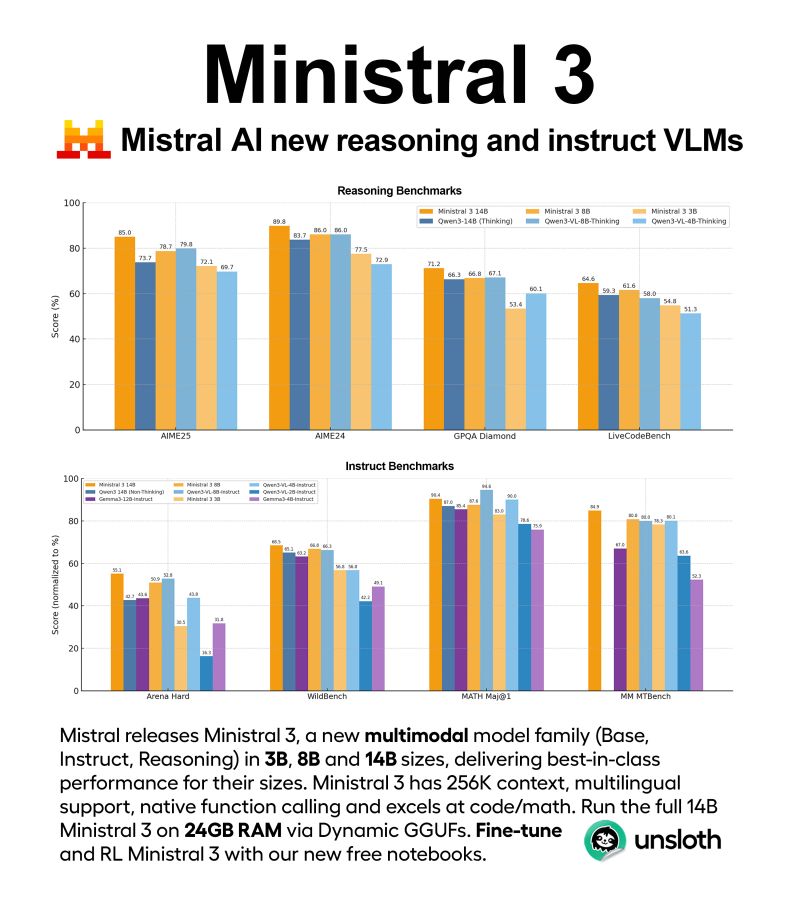
Mistral dropped Mistral-Reason-7B today, and it's a big deal for anyone who needs reasoning capabilities without renting a cluster. The model uses a novel chain-of-thought distillation technique, essentially compressing the reasoning patterns of much larger models into a compact 7B parameter package. On GSM8K, it beats Llama-3-8B by 12%, and early benchmarks show similar gains on coding benchmarks like HumanEval. The weights are on Hugging Face under Apache 2.0, meaning you can fine-tune, distribute, and even commercialize it without restrictions. For developers and researchers, this is a practical tool: it fits in 8GB VRAM, so a mid-range consumer GPU can run it. The implications are clear—open-source reasoning models are catching up to proprietary ones for many tasks. If you're building a coding assistant or math tutor, this is your new baseline. Start by downloading the model and testing it on your specific use case; the chain-of-thought outputs are surprisingly interpretable.
Meine Einschätzung: This is the kind of open-source release that actually matters—small enough to run locally, strong enough to be useful.
OpenAI CodeCritic: automated code review that cuts cycle time 40%
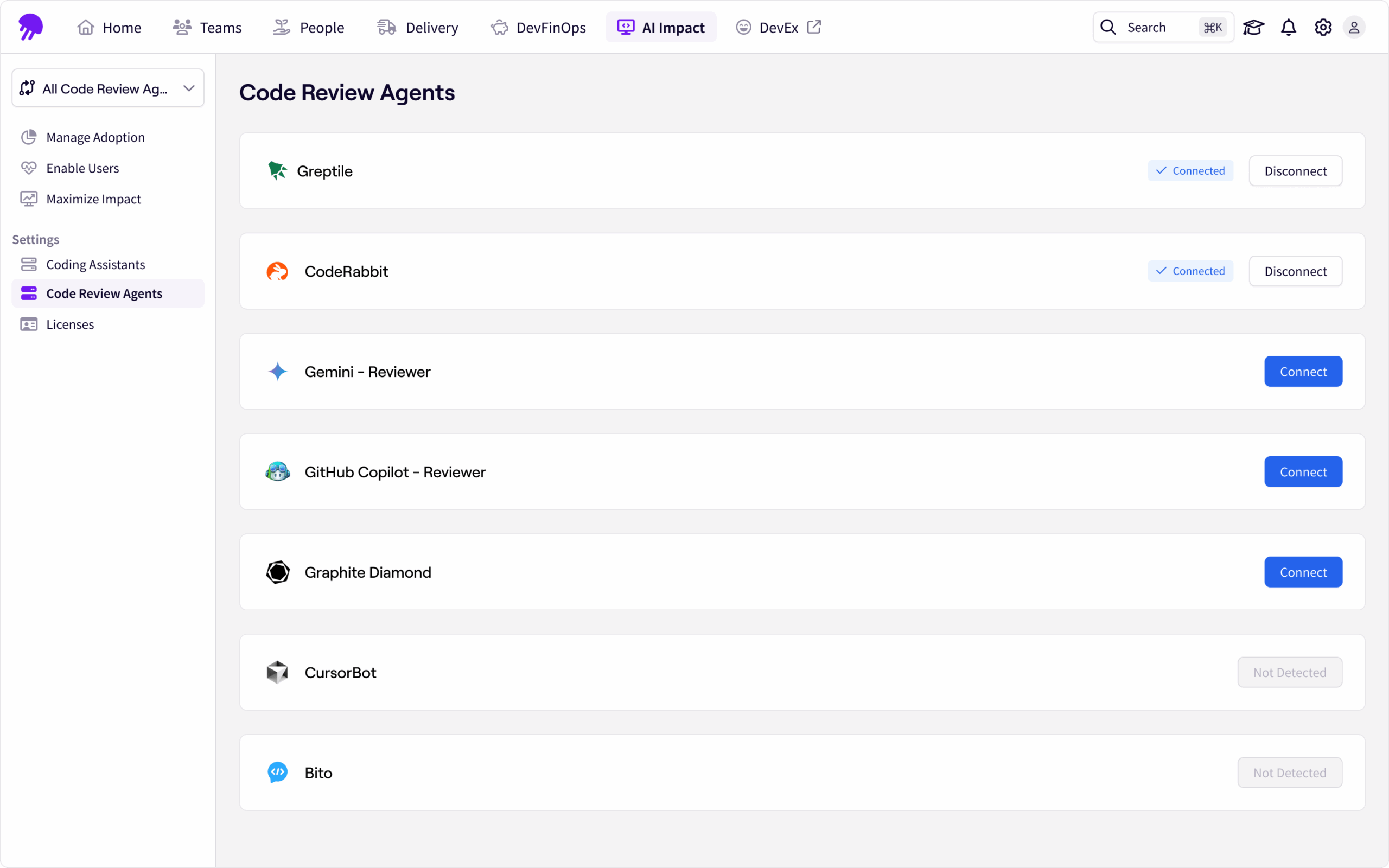
OpenAI's CodeCritic is more than a linter—it's a full-fledged code review agent that understands context. It uses a fine-tuned model trained on millions of real pull requests to detect security vulnerabilities, performance bottlenecks, and style inconsistencies. The integration is seamless: it comments directly on PRs in GitHub and GitLab, and you can configure its strictness per repository. Early testers report a 40% reduction in review cycle time, which translates to faster deployments and fewer context switches for senior engineers. The pricing is aggressive at $20/user/month, making it accessible for startups and enterprises alike. For teams that struggle with review backlogs, this is a no-brainer. But remember: it's a tool, not a replacement. Use it to catch the obvious stuff so humans can focus on architecture and design. Start by enabling it on a non-critical repo, tune the feedback level, then roll out broadly.
Meine Einschätzung: Code review is the bottleneck in every team I know. If this actually works, it's worth the $20 just to unblock your pipeline.
Groq pivots to inference-only, raises $640M
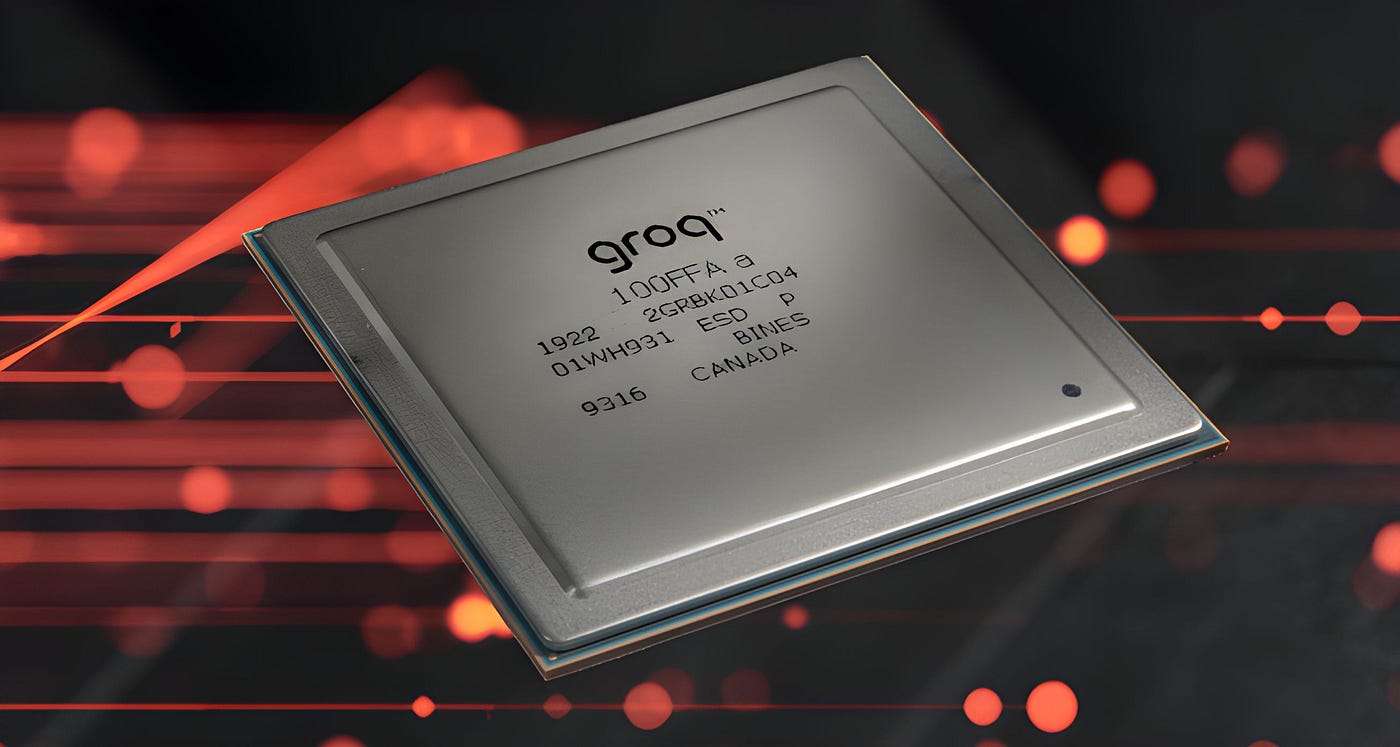
Groq's pivot is a strategic retreat from a market dominated by Nvidia. The company's LPU architecture was known for low-latency inference, but training chips require massive ecosystems that Groq couldn't build. CEO Jonathan Ross was blunt: 'Insufficient market demand for training hardware.' The $640M in new funding suggests investors believe in the inference-only bet. For developers, this means Groq will likely double down on API accessibility and latency optimization. If you're building real-time applications like voice assistants or live translation, Groq's hardware could be a differentiator. The pivot also signals a broader industry trend: inference is where the money is, especially as models get smaller and run on edge devices. Keep an eye on their developer tools and pricing; they'll need to compete with Nvidia's TensorRT and cloud inference services.
Meine Einschätzung: Groq's LPU was always a beast at inference speed. Smart move to double down where they actually win.
Anthropic signs $3.5B deal with Salesforce for Claude 4

This $3.5B deal is a landmark for Anthropic, positioning Claude 4 Opus as the default AI for one of the largest enterprise software platforms. Salesforce will integrate Claude into Sales Cloud, Service Cloud, and Marketing Cloud, with exclusive fine-tunings tailored to CRM workflows—things like lead scoring, customer sentiment analysis, and automated follow-ups. For Salesforce users, this means smarter automation and better insights directly within their existing tools. For the AI industry, it's a signal that enterprise buyers are willing to pay premium prices for model exclusivity. The deal also puts pressure on OpenAI and Google, who have similar partnerships with other platforms. If you're a Salesforce admin or developer, start exploring how Claude's integration will change your workflows—expect announcements at Dreamforce. For everyone else, watch how this shapes enterprise AI pricing and exclusivity trends.
Meine Einschätzung: Salesforce is betting big on Claude as the brain behind their CRM empire. This is the kind of deal that makes Anthropic a real enterprise player.
Perplexity Deep Research: 50-page reports in 10 minutes
Perplexity's Deep Research mode is a significant upgrade for anyone who needs to produce thorough reports quickly. It works by automatically querying multiple sources, cross-referencing findings, and generating a structured report with citations. The multi-step reasoning pipeline can take up to 10 minutes, but the result is a 50-page document that would otherwise take hours or days. Early tests show an 80% reduction in research time for knowledge workers. The key is to treat it as a first draft—verify the sources and add your own analysis. For consultants, analysts, and students, this could be a game-changer. Perplexity is positioning it as an enterprise feature, so expect premium pricing. If you have access, start with a topic you know well to gauge accuracy, then use it for unfamiliar subjects. The citation feature is critical—always check the originals.
Meine Einschätzung: If you're a knowledge worker drowning in research, this is a godsend. But verify the sources—automated synthesis can hallucinate.
Deep Dive
How to Use Chain-of-Thought Distillation for Smaller Models
Chain-of-thought (CoT) distillation is the technique behind Mistral-Reason-7B's success, and you can apply it to your own models. The idea is simple: instead of training a small model directly on raw data, you first generate reasoning traces from a larger, more capable model, then use those traces as training data. This compresses the reasoning ability of the big model into a smaller, faster, and cheaper one. The key steps are: (1) collect a dataset of problems, (2) prompt a large model (like GPT-4 or Claude) to generate step-by-step reasoning and the final answer, (3) filter out incorrect or low-quality traces, and (4) fine-tune a smaller model on the filtered dataset. The result is a model that 'thinks' like the larger model but runs in a fraction of the compute. For practical implementation, use Hugging Face's Transformers library with a causal language model like Llama-3-8B or Mistral-7B as your student. Set your learning rate low (1e-5) and train for 2-3 epochs on the CoT dataset. Monitor for overfitting by evaluating on a held-out set. The biggest mistake is using unfiltered traces—garbage in, garbage out. Always validate the reasoning quality before training. For a concrete example, take a math problem like 'A train leaves station A at 60 mph...' and have your large model output 'Step 1: Calculate distance... Step 2: Time = distance/speed... Final answer: 2 hours.' Then fine-tune your small model to produce similar step-by-step outputs. This technique is especially powerful for domain-specific tasks like code generation or medical diagnosis. Start with a small dataset of 10,000 examples, scale up as you validate.
Stop waiting for the perfect model—the one you need is already open-source and fits on your laptop.