Saturday — July 04, 2026
Automatisiert mit einem lokalen KI-Modell erstellt, ohne redaktionelle Prüfung vor Veröffentlichung.
Regulatory Risk Audit
You are a compliance officer at a frontier AI company. Analyze the GPT-5.6 limited release, the new EU AI Act Transparency Code, and Singapore's SAFR framework. Generate a risk matrix identifying three key compliance gaps for your next model launch, with specific mitigation steps for each.
GPT-5.6 Restricted by US Government
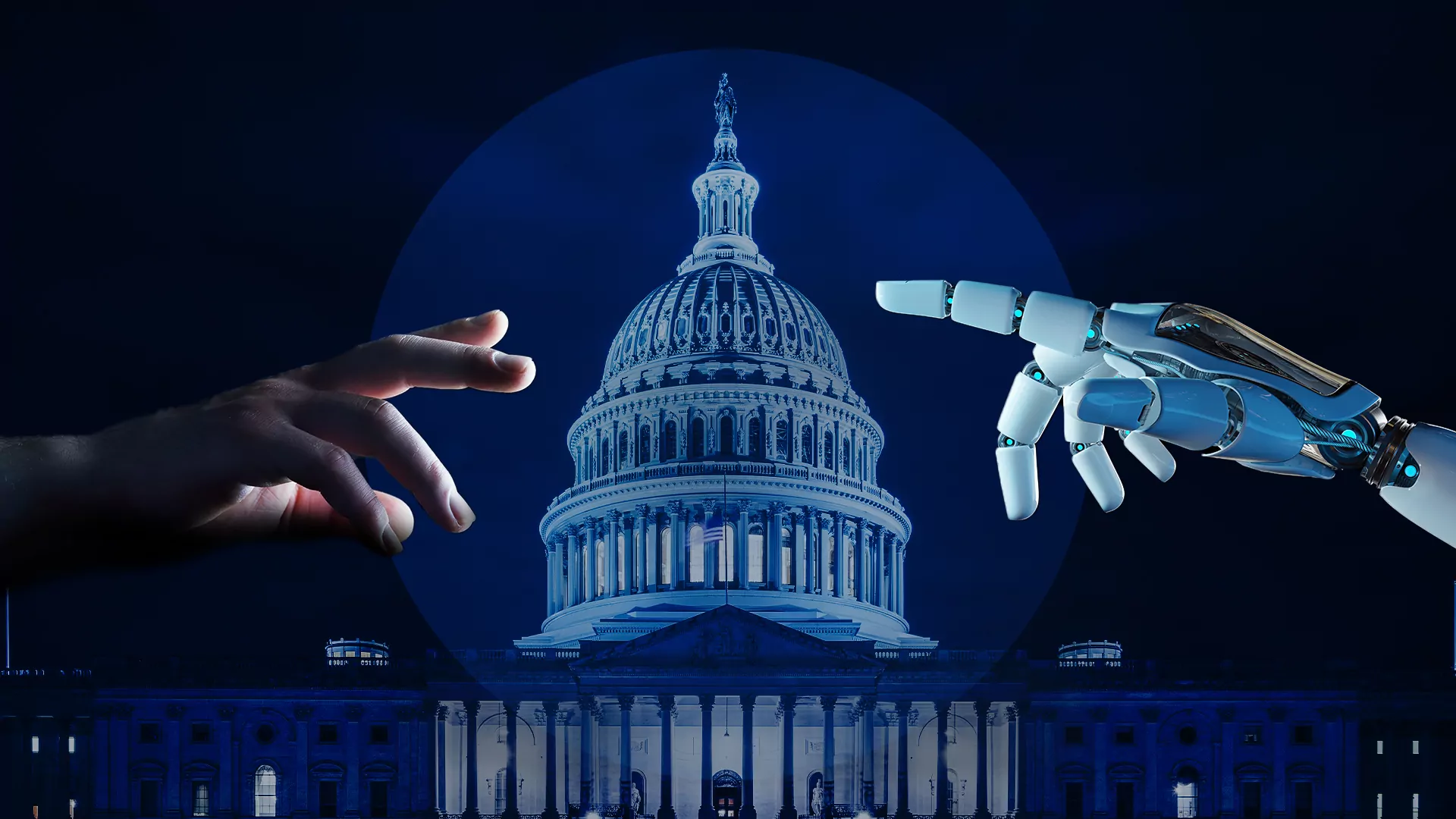
The US government's request to OpenAI marks an unprecedented shift in the relationship between American AI labs and federal regulators. Unlike previous post-hoc interventions (like the Biden administration's voluntary commitments), this is a preemptive block on general availability. The Trump administration cited unspecified security concerns, but insiders point to fears about autonomous agent capabilities in GPT-5.6 that could enable large-scale disinformation or cyber operations. For developers, this means several things. First, access to frontier models will be gated behind government-approved partnerships, creating a two-tier system where only established players get the latest capabilities. Second, expect longer vetting cycles — what used to be a launch week could become a launch quarter. Third, this sets a precedent that other governments (EU, Singapore, China) will likely follow with their own restrictions. The practical takeaway: diversify your model dependencies now. Don't build your entire stack on a single frontier model that could be yanked or restricted overnight. Start testing with open-source alternatives like Llama 4 or Qwen 3.x, and build abstraction layers that let you swap models without rewriting your application. The era of frictionless frontier model access is over.
Meine Einschätzung: This is a watershed moment. The honeymoon of 'move fast and break things' in AI is officially over. If you're building on frontier models, expect more gates, more delays, and more paperwork.
Claude Fable 5 Back Online Globally
Anthropic's restoration of Claude Fable 5 ends an 18-day period that left many developers scrambling. The outage, which Anthropic attributed to 'safety system upgrades,' effectively froze any application relying on Fable 5's unique capabilities — particularly its long-context reasoning and multi-step planning. The restoration comes with a significant change: Claude Sonnet 5 is now the default model for Free and Pro users. Sonnet 5 is specifically designed for autonomous agent work, with improved multi-step planning capabilities that make it suitable for tasks like code generation, research synthesis, and workflow automation. Mythos 5's return to select US organizations is also noteworthy, as it was previously restricted by export controls from the US Department of Commerce. This suggests that Anthropic has satisfied some government concerns about the model's capabilities. For builders, the key changes are: rate limits on the Claude Platform have been increased 5x for Sonnet and Haiku models at the highest tier, and Artifacts in Claude Code are now available on Pro and Max plans. The artifact system lets Claude build interactive pages (PR walkthroughs, dashboards) that persist across sessions. The practical advice: if you're building agent systems, test Sonnet 5 as your primary model rather than defaulting to Fable 5. It's cheaper, faster, and now the default — meaning it will get more optimization attention from Anthropic. But maintain a fallback. The 18-day outage was not an anomaly; it was a preview of the reliability challenges ahead.
Meine Einschätzung: Fable 5's 18-day outage was a brutal reminder of single-vendor risk. If you paused your agent builds during that window, you lost time. The restoration is good news, but the lesson is clear: never bet the farm on one model.
Microsoft Launches $2.5B AI Company
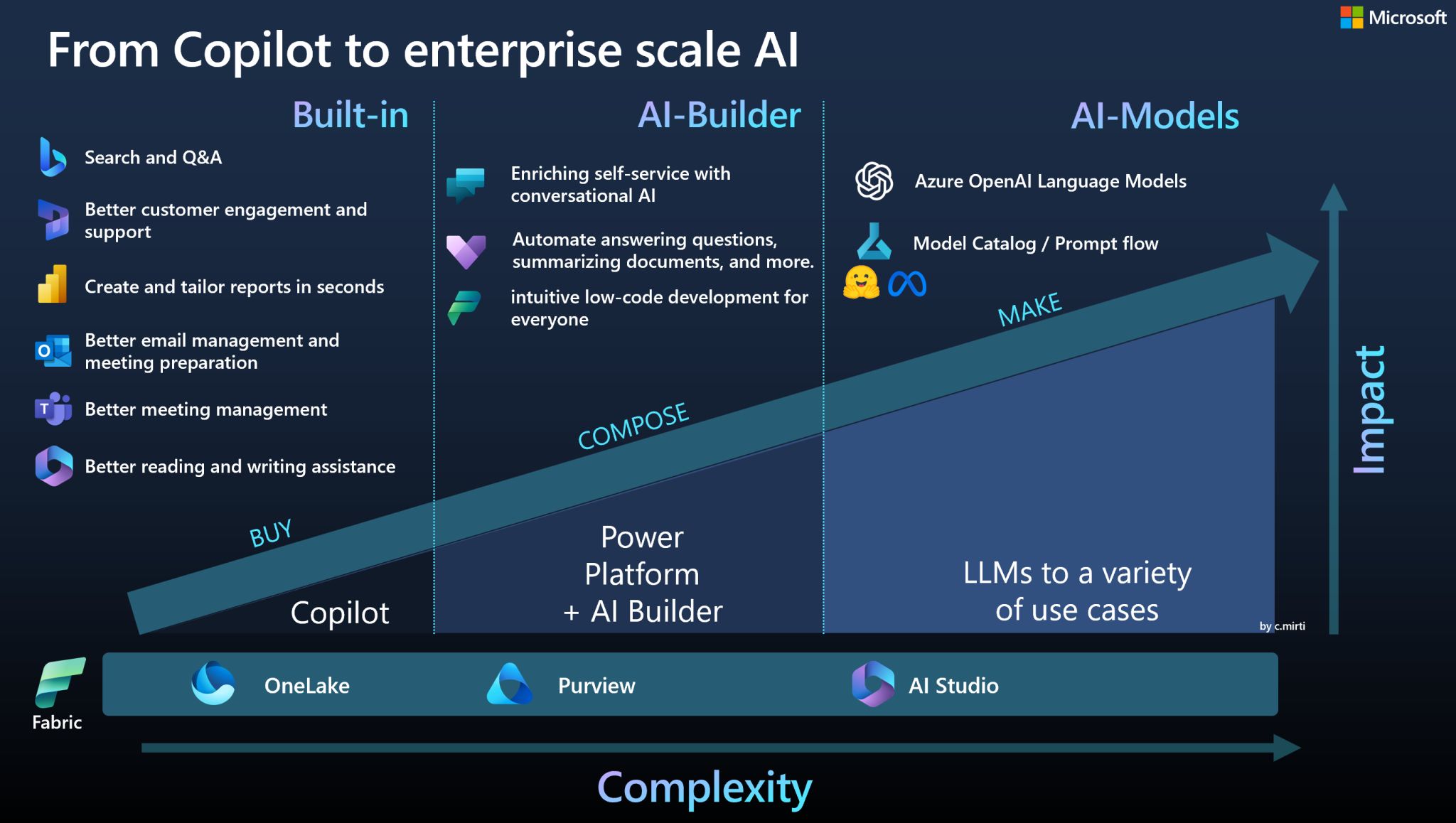
Microsoft's new frontier company is a bet that the biggest bottleneck in enterprise AI isn't models — it's implementation. With $2.5 billion in funding and 6,000 AI experts, the company will embed specialists directly with business customers to help them select models, build workflows, and measure ROI. The model-agnostic stance is clever: it lets Microsoft recommend OpenAI, open-source models, or even competitors' models based on the customer's needs, positioning them as an honest broker. For builders, this is both an opportunity and a threat. The opportunity: if you're building tools or platforms that help enterprises deploy AI, Microsoft's push will create a rising tide of demand. The threat: Microsoft's army of 6,000 experts could internalize much of the consulting and integration work that independent firms currently do. The company's emphasis on 'forward-deployed engineering' is a direct copy of Palantir's playbook — embed engineers with customers, build custom solutions, and become indispensable. This signals that Microsoft sees the enterprise AI market as a services-led business, not just a software business. The practical takeaway: if you're an independent AI consultant or agency, start specializing in verticals or technologies that Microsoft's generalist army won't cover well. Think niche regulatory domains, legacy system integration, or open-source fine-tuning at scale.
Meine Einschätzung: Microsoft is doing what it does best: putting a massive balance sheet behind a services play. This is less about technology and more about capturing the consulting revenue that comes with enterprise AI adoption.
Meta to Sell Excess AI Compute
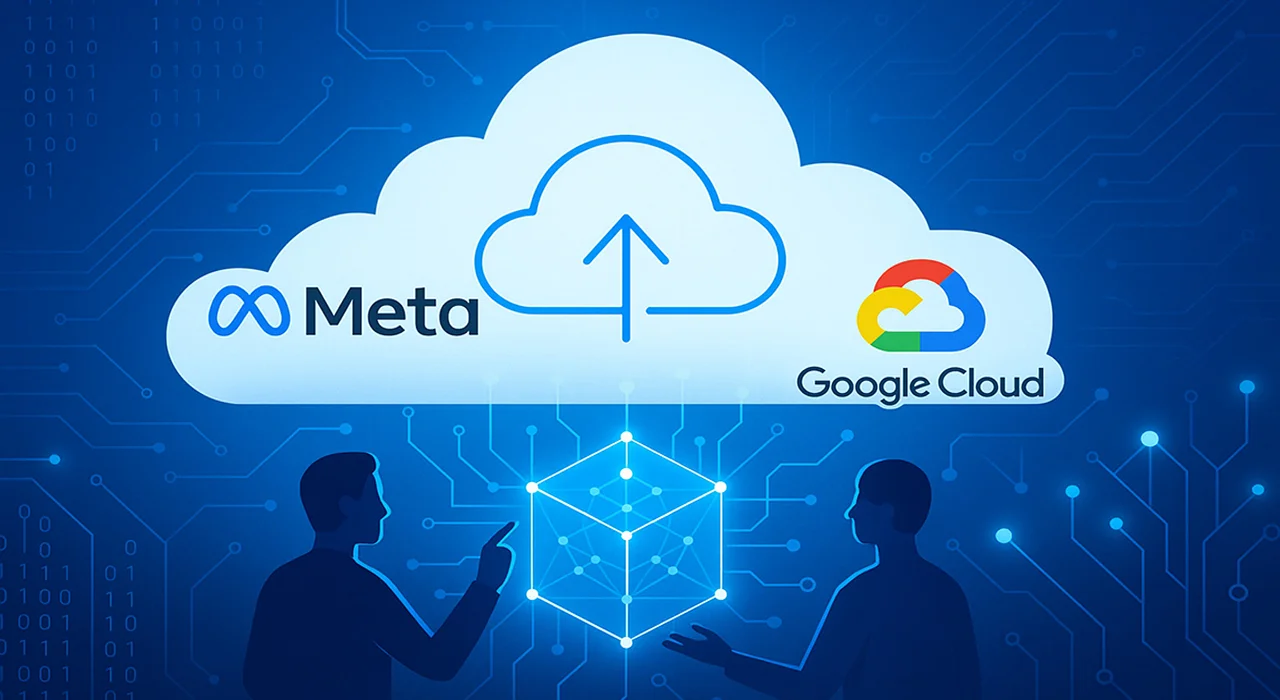
Meta's move to sell excess AI compute is a natural evolution of its massive infrastructure investments. The company has been buying GPUs at a pace that rivals hyperscalers, but its internal demand (training Llama models, powering Facebook and Instagram AI features) doesn't fully utilize that capacity. By selling excess compute, Meta can offset its infrastructure costs while potentially disrupting the AI cloud market. For builders, this is potentially huge. Meta could offer competitive pricing on GPU compute, especially for inference workloads. More importantly, it could bundle access to its Llama model family with compute, creating a vertically integrated offering that rivals AWS, GCP, and Azure. The key question is whether Meta will offer the kind of developer experience and reliability that builders expect from major cloud providers. Meta's track record with developer tools is mixed — its APIs have historically been less polished than its consumer products. The practical takeaway: keep an eye on Meta's cloud pricing announcements. If they undercut existing providers by 20-30%, it could trigger a price war that benefits every builder. Start experimenting with Llama 4 on your own infrastructure now, so you're ready to move workloads if Meta's cloud offering proves viable.
Meine Einschätzung: Meta has been sitting on a GPU hoard that would make a dragon jealous. Finally monetizing it is smart — and it could mean cheaper compute for everyone else.
OpenAI and Anthropic File for IPOs
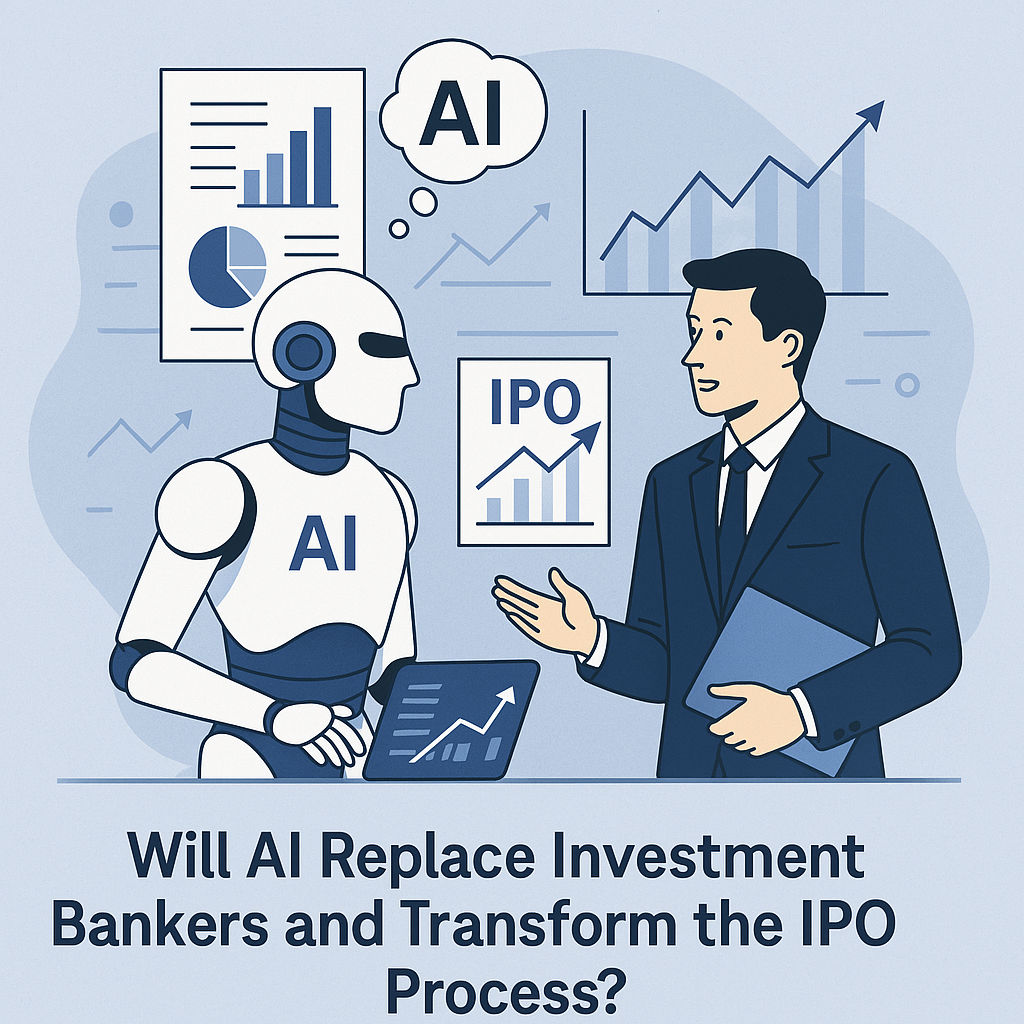
The dual IPO filings from OpenAI and Anthropic mark a fundamental shift in the AI industry. Both companies have operated with significant investor patience — OpenAI has burned through billions with limited revenue, and Anthropic has similarly prioritized research over profitability. Going public changes the calculus. Public markets demand quarterly growth and clear paths to profitability. For OpenAI, the response is a planned ChatGPT superapp overhaul that would integrate coding tools, AI agents, and third-party partner services. This is a direct play to increase revenue per user and reduce churn. For Anthropic, the path to profitability likely involves enterprise contracts and API usage at scale. For builders, the implications are direct and immediate. Expect API pricing to increase as both companies face pressure to show revenue growth. Expect more aggressive bundling — OpenAI may offer discounts for using its full stack (ChatGPT + API + fine-tuning). Expect more competition for third-party integrations as both companies try to capture more of the value chain. The practical advice: lock in any favorable API pricing you have now. Consider committing to annual contracts if they offer discounts. And start building relationships with alternative providers (Together AI, AI.cc, open-source deployments) so you have leverage when prices rise.
Meine Einschätzung: Two of the biggest AI companies going public means the era of 'research at any cost' is ending. Profitability pressure will mean higher API prices and more aggressive monetization. Brace for it.
Deep Dive
Building Agent Workflows That Survive Model Outages
The 18-day Claude Fable 5 outage and the GPT-5.6 restriction should be a wake-up call: no single model is reliable enough to bet your entire application on. If you're building agent systems, you need an architecture that can survive model deprecations, outages, and regulatory restrictions. Here's how to build it. First, separate your agent logic from your model calls. Instead of hardcoding model names into your agent loops, use an abstraction layer that treats models as interchangeable resources. Define a standard interface for inputs and outputs, and route requests through a model router that can switch between providers based on availability, cost, or capability requirements. Tools like LangChain, Vercel AI SDK 7 (which just shipped durable agents), or even a simple custom wrapper can handle this. Second, implement graceful degradation. When your primary model is unavailable, your agent should not crash — it should fall back to a simpler model with reduced capabilities. For example, if Fable 5 is down, your agent could fall back to Sonnet 5 for most tasks, and only queue high-complexity tasks for when the primary model returns. Define capability tiers for each model so your system knows which tasks can be handled by which fallback. Third, use durable agent primitives. Vercel's new WorkflowAgent in AI SDK 7 is designed for exactly this: it can suspend, resume, and survive function timeouts. This means if a model call fails, the agent can retry with a different model without losing state. Similarly, Anthropic's artifact system lets agents persist work across sessions, so a model outage doesn't mean lost progress. Fourth, maintain a local or open-source fallback. The 500+ open-source models now available via AI.cc and Hugging Face mean you can run your own inference infrastructure for critical paths. Llama 4, Mistral, and Qwen 3.x can handle many agent tasks with acceptable quality. Yes, they're not as capable as frontier models, but they're always available and not subject to government restrictions. The cost of running your own inference is falling fast, especially with NVIDIA's GPU backstop financing making compute more accessible. Finally, test your fallback paths regularly. The worst time to discover your fallback doesn't work is during an actual outage. Run weekly chaos engineering exercises where you simulate a primary model outage and verify that your system degrades gracefully. Document which capabilities are lost at each fallback level so your users know what to expect. The era of single-model reliability is over. Build for a world where every model is temporary.
One model is a single point of failure. Build your stack like every API call could be the last.