Friday — July 31, 2026
Automatisiert mit einem lokalen KI-Modell erstellt, ohne redaktionelle Prüfung vor Veröffentlichung.
OpenAI GPT-5.6 Luna
Prompt: Write a story about a magical forest. Label: Fantasy Adventure.
OpenAI Adjusts Pricing for GPT-5.6 Models, Google Unveils Gemini Robotics ER 2, Zapier Introduces AI Agents, and Anthropic Launches Cowork Agent
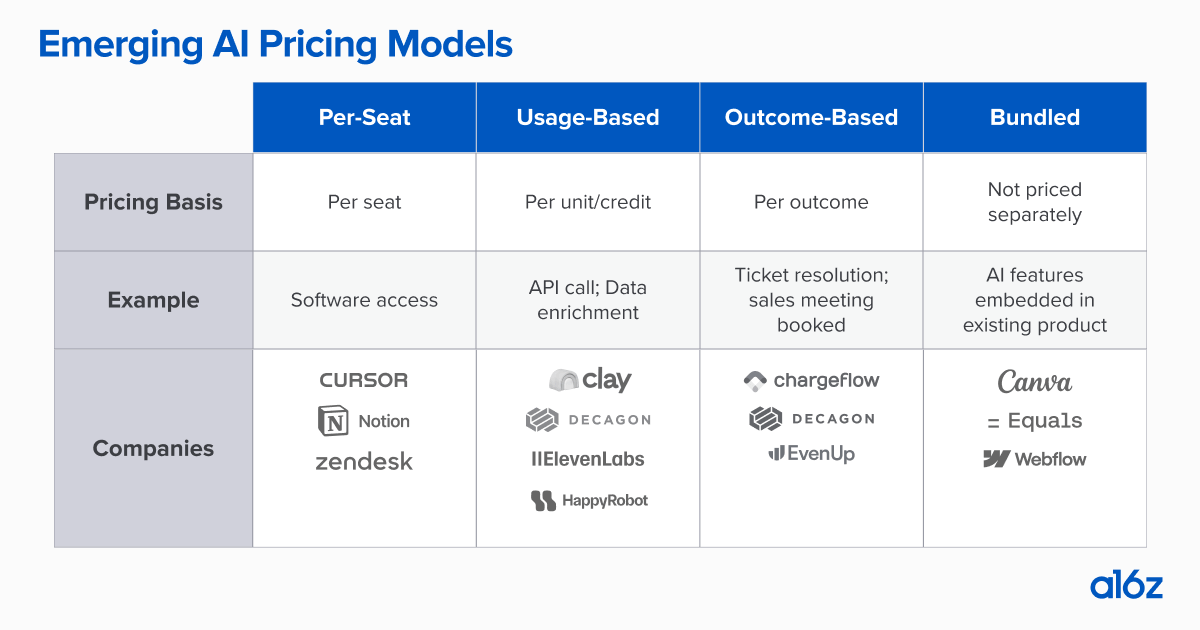
In a move that has caught the attention of the tech community, OpenAI has adjusted its pricing for the GPT-5.6 models. The company reduced prices for GPT-5.6 Luna by 80% and GPT-5.6 Terra by 20%, while keeping the flagship Sol's pricing unchanged. This strategic move could potentially make these AI models more accessible to a wider range of users.
On another front, Google unveiled two new embodied reasoning model endpoints, `gemini-robotics-er-2-preview` and `gemini-robotics-er-2-streaming-preview`. These advanced spatial reasoning and agentic code execution features are designed for developers to integrate into their applications. The release of these new models underscores Google's commitment to pushing the boundaries in AI technology.
Zapier, a popular automation tool, is taking steps to make workflows more autonomous with the introduction of AI Agents for autonomous workflow logic. These agents will support multi-model AI, making it easier for users to integrate different tasks like content generation and chatbots directly into their workflows. This move further cements Zapier's position as a leader in no-code automation.
Lastly, Anthropic has launched Cowork, a feature designed for non-technical users to operate AI directly across their files. This tool will make AI more accessible to people who may not be familiar with coding or technical skills. The introduction of this feature could signify a broader shift towards democratizing the use and application of AI technology.
Meine Einschätzung: These developments highlight the competitive landscape of AI providers and the continuous innovation in making AI more accessible and useful across different platforms.
Google's Gemini 3.5 Flash Cyber: A Limited Access Pilot for Governments
In a strategic move, Google has chosen to make its latest model, Gemini 3.5 Flash Cyber, available only through a limited access pilot program. This model was made exclusively accessible to governments and trusted partners as part of the initiative. By doing so, Google demonstrates its commitment to closely collaborating with key stakeholders in the AI development process.
The decision to limit access to this new technology suggests that certain aspects of AI might continue to be controlled or handled differently based on who is developing them. This approach could potentially allow for more tailored and efficient collaboration between tech giants like Google and governments, ensuring that the latest developments are applied responsibly.
Meine Einschätzung: This exclusive release indicates that certain aspects of AI technology might continue to be controlled or handled differently based on who is developing them.
Deep Dive
Understanding Google's Gemini Robotics ER 2
The introduction of Google's Gemini Robotics ER 2 marks an exciting advancement in the field of embodied reasoning models. Embodied reasoning involves integrating the physical and digital worlds, where AI can interact with real-world environments through sensors and actuators. This technology has significant implications for various industries, including manufacturing, healthcare, and robotics.
The Gemini Robotics ER 2 model endpoints, `gemini-robotics-er-2-preview` and `gemini-robotics-er-2-streaming-preview`, are designed to provide developers with powerful tools to create applications that can understand and interact with the physical world. By leveraging these models, developers can build systems capable of advanced spatial reasoning and agentic code execution.
One potential application of Gemini Robotics ER 2 could be in manufacturing, where robots need to perform tasks based on complex spatial relationships. With this model, it would be possible to develop robots that can navigate through a factory floor, understand the layout, and make decisions about how to best perform their assigned tasks. This capability could lead to more efficient, safe, and flexible manufacturing processes.
Another application might be in healthcare, where embodied reasoning models could assist with tasks such as robotic surgery or rehabilitation. By integrating AI into physical systems, it would be possible to develop robots that can interact with patients in a way that is both sensitive and effective, potentially improving outcomes for various medical procedures.
AI continues to evolve rapidly, offering builders and entrepreneurs valuable insights into leveraging these advancements for their projects.